Headshots
What to Wear for Headshots: A Photographer's Guide to Getting It Right
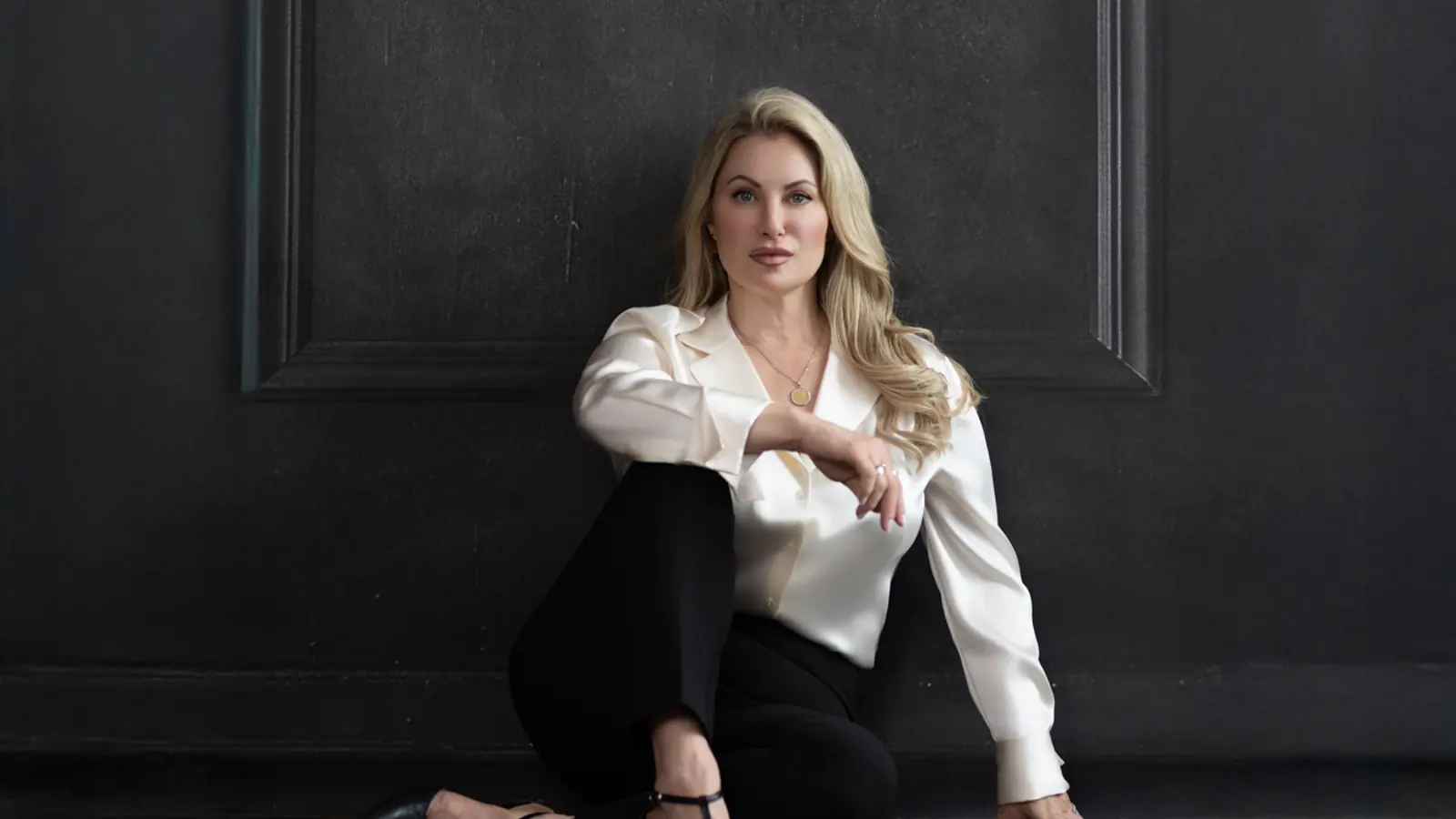
Most people book a headshot, then spend the night before standing in front of an open closet with nothing on the bed. Here is the short answer. Wear a solid color in a shade you already know suits you, in a fit that skims rather than clings, with a neckline that leaves your collarbone visible. Nothing shiny, nothing busy, nothing brand new.
That covers about eighty percent of it. The rest is worth reading, because the reason behind each of those rules is the part that lets you make your own call when your favorite jacket breaks one of them.
The only rule that really matters
Your clothes have one job in a headshot, and it is not to be noticed.
A headshot is a photograph of your face. Everything else in the frame is competing for the viewer's eye, and whatever wins that competition is what people remember. When a shirt has a loud print, the print wins. When a necklace catches the light, the necklace wins. When a jacket is a size too big through the shoulders, the shoulders win.
So the question is never "is this a nice top." It is "will this send the eye to my face, or somewhere else."
I say this to people at the wardrobe consultation and I watch it land, because it reframes the whole problem. You are not dressing for a night out. You are building a quiet frame around your own head.
Best colors for headshots
The safest colors are solid, mid-to-deep, and slightly cooler than your skin. Navy, charcoal, forest, burgundy, plum, dark teal, and a good true black if your coloring can carry it.
Those shades work for a mechanical reason. A darker top holds its own against studio light without bouncing color back up onto your jaw, so your skin stays the brightest thing in the frame. That is exactly where you want the eye to go.
Mid-tone colors work beautifully too, and they photograph softer. Dusty blue, sage, warm gray, rust in the fall. If you tend to look washed out in photos, a mid-tone in a color you like is usually a better bet than black.
Two colors need care rather than avoidance. White photographs well only when the fit is good and the fabric is thick enough not to go transparent, otherwise it glows and pulls attention off your face. Pure red is strong on camera and can reflect a faint warm cast onto the underside of the chin. Neither is banned. Both are worth testing in daylight in front of a mirror before you commit.
The color rule people find most useful: hold the top up under your chin in natural light. If your face looks brighter, keep it. If your face looks tired, it is the top, not you.
What to avoid wearing for a headshot
- Busy patterns. Small repeating checks, thin stripes and tight geometrics can shimmer and distort on camera. A large soft print is survivable. A tiny hectic one is not.
- Logos and slogans. They date the photo instantly and they read as advertising for someone else.
- Shiny fabric. Satin, sequins and high-sheen synthetics throw hot spots that are difficult to retouch and impossible to ignore.
- Anything brand new and unworn. New clothes have creases in the wrong places and you have not learned how they sit when you move.
- Bra straps, visible labels, curling collars. Small things, and every one of them is what the eye finds first.
- Sleeveless tops, unless it is a deliberate choice. Bare arms take up a lot of visual space in a tight crop and they change the read of the photo from professional to social.
- A jacket that no longer fits through the shoulders. This is the single most common one. The shoulder seam should sit on your shoulder, not down your arm.
Note the one thing missing from that list. There is nothing on it about your body. You do not need to lose weight, get a tan, or change anything about yourself before a headshot. Fit and light do the work, and directing you is my job.
Necklines, sleeves and fit
A headshot is usually cropped from mid-chest up, so the neckline is doing more work than anything else you put on.
Necklines. A V-neck, a scoop or an open collar creates a little vertical space under the chin and lengthens the neck. A high crew neck sitting right at the throat can shorten it, especially in a tighter crop. Turtlenecks are the exception that proves the rule: they read as deliberate and stylish, so they work when you have chosen them on purpose.
Sleeves. Long or three-quarter almost always. It keeps the frame simple and it gives you something to do with your arms when the crop widens.
Fit. Skimming, not clinging, and not swimming. Clothes that are slightly too large read as heavier on camera than clothes that fit, which surprises people who size up hoping to hide.
Layers. A jacket or a cardigan over a simple top is the most useful thing you can bring, because it gives us two completely different looks from one outfit in about fifteen seconds.
What to wear for professional headshots as a woman
The advice above holds, with a few additions that come up in nearly every session I photograph.
Jewelry should be small and quiet. One pair of stud or small hoop earrings, and a fine chain or nothing at all. Anything that swings, sparkles or sits high on the collarbone will pull the eye down, and in a headshot the eye has nowhere else to go.
Wear makeup roughly one step stronger than your everyday, and matte rather than dewy. Studio light is bright and it flattens color, so a face that looks correct in the bathroom mirror can look slightly bare on camera. If your session includes professional hair and makeup, this is handled for you and you can arrive with a clean face.
On hair up versus down, there is no universal answer, and anyone who gives you one is guessing. Down softens the jaw and frames the face. Up sharpens the line of the neck and looks more formal. What actually matters is that it looks like your hair, on a normal day, at your normal length. If you are between two versions of yourself, bring both and we will shoot both. Changing it takes two minutes and costs nothing.
Glasses are fine. Wear them if you wear them daily, because a photo without them will not look like you to anyone who knows you. If you can borrow empty frames from your optician, anti-reflective lenses help, but I can angle around most glare without them.
What to wear for corporate and team headshots
Corporate sessions have one extra requirement: the photos have to sit next to each other on a website without one person looking out of place.
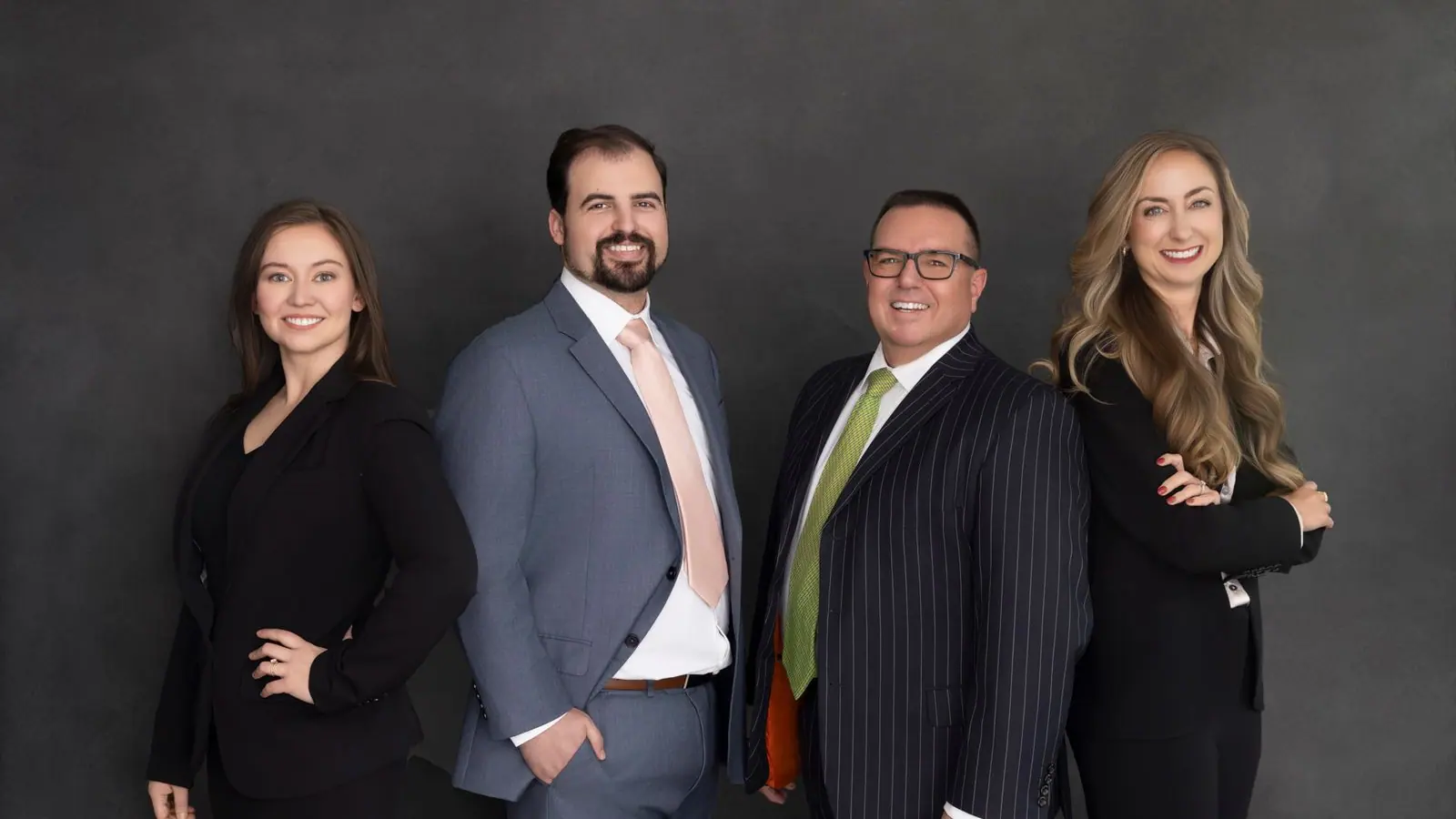
The way to solve that is a shared level of formality, not a shared color. Tell the team "business formal, solid colors, no patterns" and you will get a page that looks intentional. Tell them "wear navy" and you will get twelve people in twelve different navies, which looks worse than no rule at all.
If your company has a brand color, keep it in the background or the retouching brief rather than on the clothes. Twelve people in the same corporate blue reads like a uniform, and it flattens the individuality that made you want real headshots instead of stock photos.
I go into the logistics of running a session for a whole team, including scheduling and turnaround, in the planning guide for Charlottesville businesses.
What LinkedIn itself says
Worth knowing, because it settles a few arguments. LinkedIn's own guidance says your face should fill roughly 60 percent of the frame, that the photo should be solo rather than cropped out of a group shot, and that you should wear what you would wear to work. Their research also found that simply having a profile picture makes a profile 14 times more likely to be viewed.
That last line about wearing what you would wear to work is the one I would underline. The most common headshot regret I hear is not "I wish I had worn something nicer." It is "that does not look like me." A blazer you own and like beats a blazer you bought for the photo.
How many outfits to bring
Bring three, and hang them the night before.
One should be the safe one, the thing you would wear to an important meeting. One should be a half step more relaxed, a knit or an open collar, for the photos that go on a bio page or a speaker profile. The third is your wildcard: the color you love, the jacket with some personality, the one you are not sure about.
The wildcard wins more often than you would think. People choose the photo where they look most like themselves, and that is rarely the stiffest outfit in the set.
Steam everything. Creases are the one thing retouching genuinely struggles with, and a pressed shirt is worth more than an expensive one.
Ready to plan yours? Inquire about a headshot session and the wardrobe consultation is part of it, so you are not deciding this alone.
Acting headshots are a different brief
If you are shooting for casting rather than for business, most of the above still applies but the intent changes. A commercial headshot wants approachable and current: soft colors, simple knits, an open expression. A theatrical headshot wants a hint of the roles you actually get cast in, which usually means deeper colors and more texture.
The colors to avoid for acting headshots are the ones that read as costume. Bright primaries, anything with a period feel, and heavy black on a dark background, which collapses your shoulders into the frame and leaves a floating head. Casting directors want to see you, quickly, with nothing to decode. I go much further into dressing for your casting type in what to wear for acting headshots, and the wider brief is in my guide to acting headshots.
Frequently asked questions
What is the best color to wear for a headshot? A solid mid-to-deep color that suits your skin tone. Navy, charcoal, burgundy, forest and dark teal are reliable across most complexions. The practical test is to hold the top under your chin in daylight and see whether your face looks brighter or more tired.
What should I avoid wearing for a headshot? Busy small patterns, logos, shiny fabrics, sleeveless tops, anything unworn, and jackets that no longer fit through the shoulders. Also check for bra straps and curling collars, which are the details that catch the eye in the final image.
Should I wear my hair up or down for a headshot? Whichever is closest to how you wear it normally. Down softens the jawline, up sharpens the neck and reads more formal. If you cannot decide, bring both. We can change it in the middle of a session in about two minutes.
Can I wear glasses in a professional headshot? Yes, and you should if you wear them every day. Anti-reflective lenses help, and if you can borrow empty frames from your optician that removes glare entirely, but angling around reflections is a normal part of the job.
What colors should I avoid for acting headshots? Bright primaries, anything that reads as period costume, and heavy black against a dark background. Casting needs to see your face and read your type in about a second, so anything that slows that down works against you.
How many outfits should I bring to a headshot session? Three. A formal one, a relaxed one, and one you love but are unsure about. Layers count as two looks, so a jacket over a simple top stretches the set further.
Before you close the closet
The outfit matters less than you are afraid it does. I have never had someone leave a session unhappy because of a shirt. What people react to is whether the photograph looks like them on a good day, and that comes from light, direction and being told what to do with your hands.
So pick the things you already like, hang them up, and stop thinking about it. If you want a second opinion, send me photos of the shortlist before your session and I will tell you which one to bring.
If you are still deciding whether you need a headshot, a portrait or a full branding set, this comparison breaks down the difference, and the pricing guide covers what a session in Charlottesville actually costs. When you are ready, inquire about a headshot session and I will walk you through the rest of the preparation, which I have written up in how to prepare for a headshot session.
Last updated: September 30, 2026
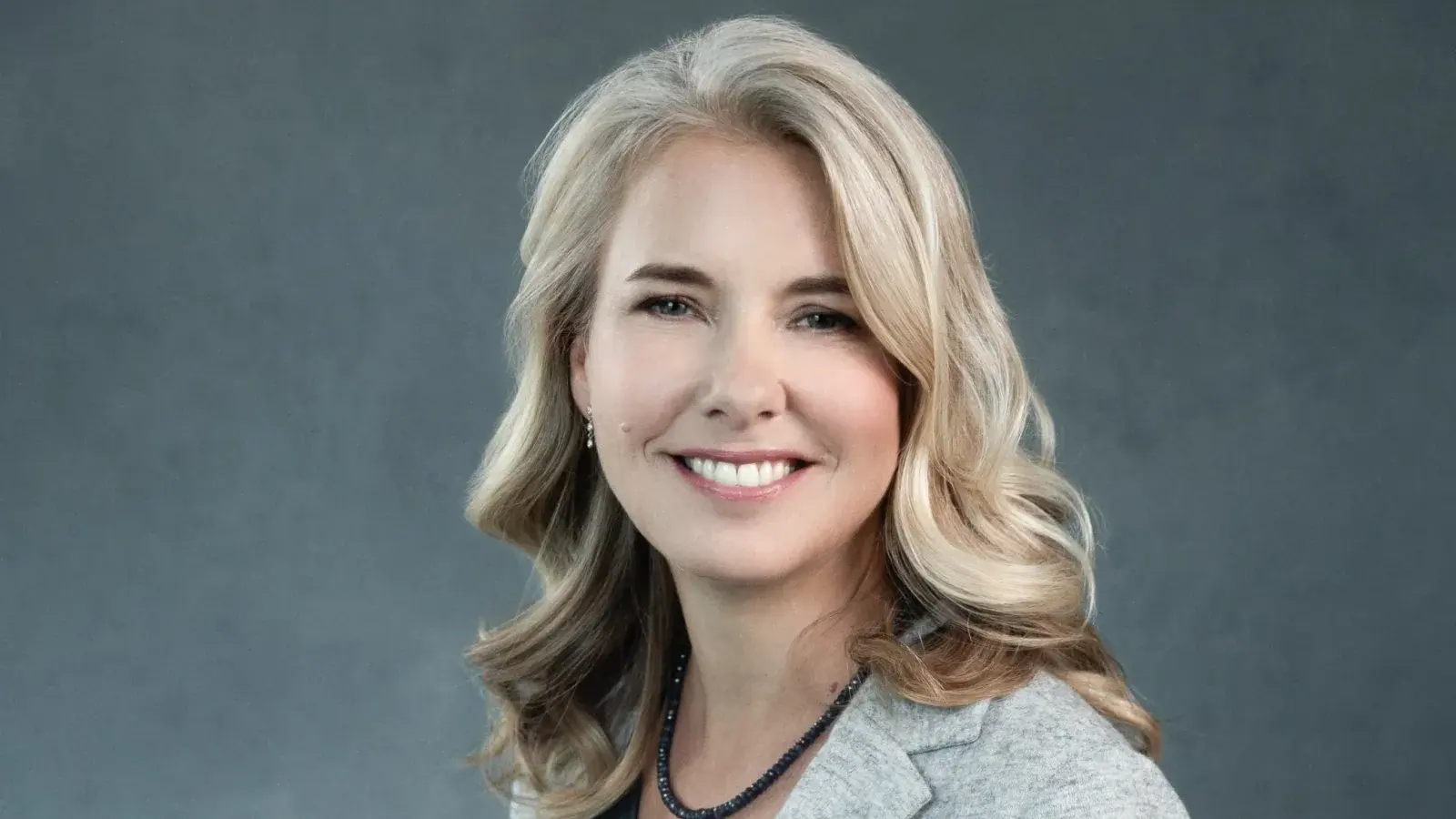
About the author: Arnel Gonce is a portrait photographer in Charlottesville, Virginia. She has photographed over 1,000 sessions since 2015, covering headshots and personal branding, families, seniors, maternity, boudoir and her signature Fabulous Over 50 sessions. She guides every client from first nerves to final gallery so the camera catches them at their most confident.
Arnel Gonce
Portrait Photographer, Charlottesville VA
Arnel Gonce is a portrait photographer in Charlottesville, Virginia. She photographs headshots, families, seniors, maternity, boudoir, and her signature Fabulous Over 50 sessions, guiding every client from first nerves to final gallery so the camera catches them at their most confident.
Reading is nice. Being in front of the camera is better.
Ready to Book Your Session?
Tell me what you have in mind and we will plan a session that feels easy, fun, and completely like you.