Portraits
Headshot vs Portrait vs Personal Branding: Which Session Do You Actually Need?
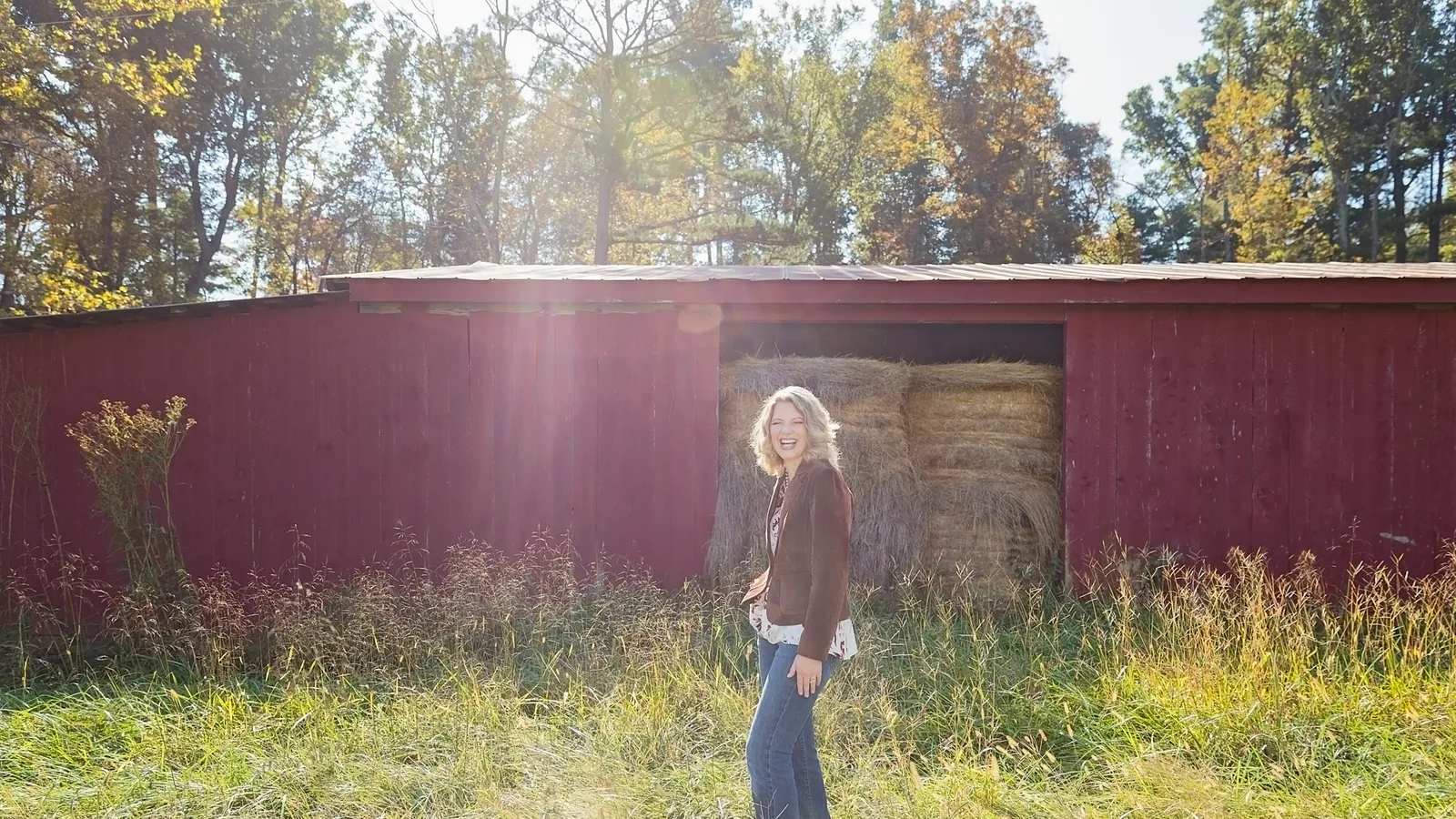
People book the wrong session more often than you would think.
Someone comes in for a headshot, and forty minutes into the conversation it turns out they are launching a business, rebuilding a website, and need fifteen different images across a homepage, an About page and a speaking profile. A headshot was never going to cover that.
Or the reverse. Someone books a long branding session at real expense when what they actually needed was one good photo of their face for a company directory.
The words get used interchangeably, including by photographers, which does not help. Here is the honest version of the difference, and how to work out which one your situation calls for.
The short version
A headshot is about your face. Tight crop, clean background, the job is to look like yourself on a good day. One purpose: people need to know what you look like.
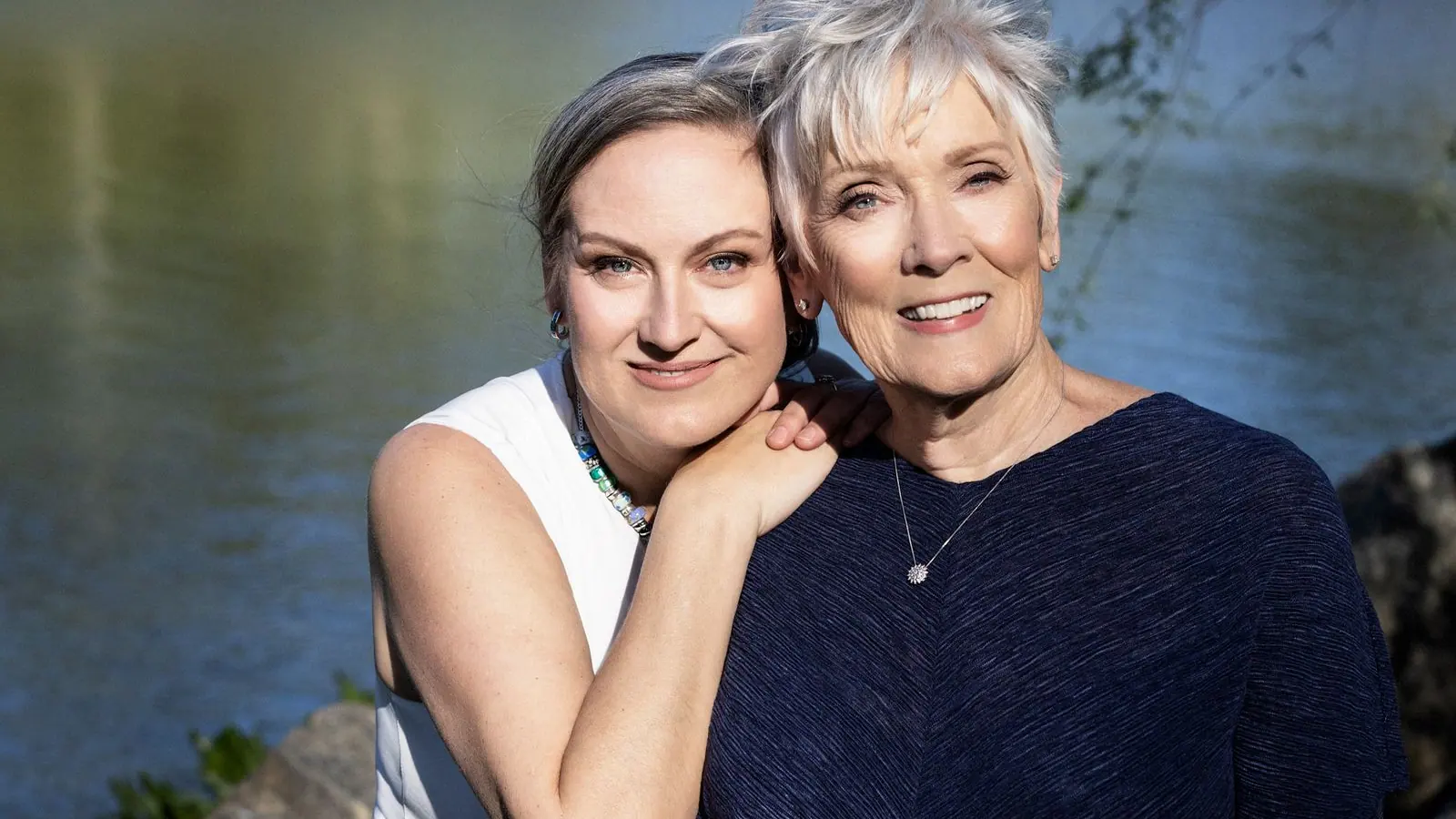
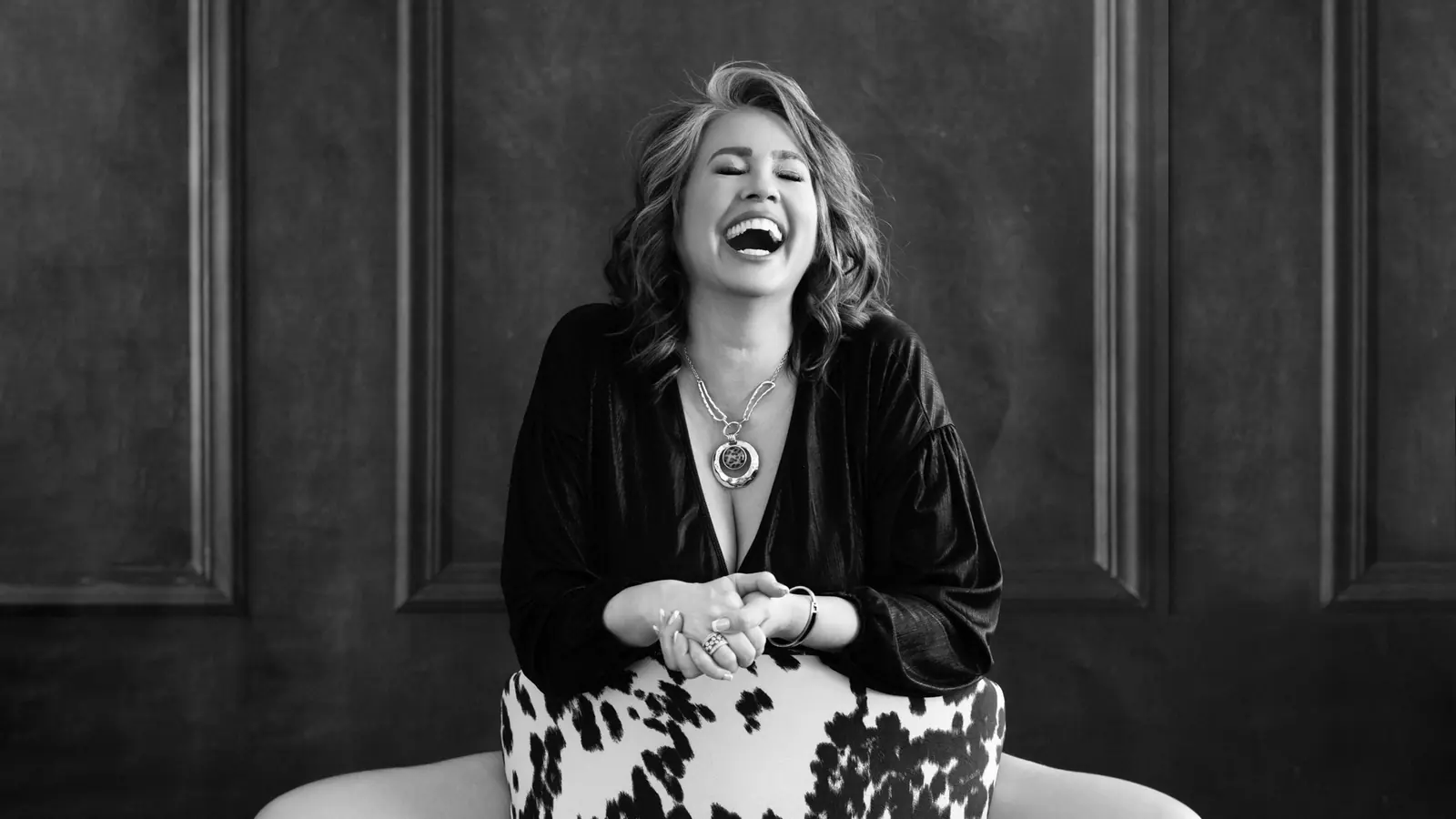
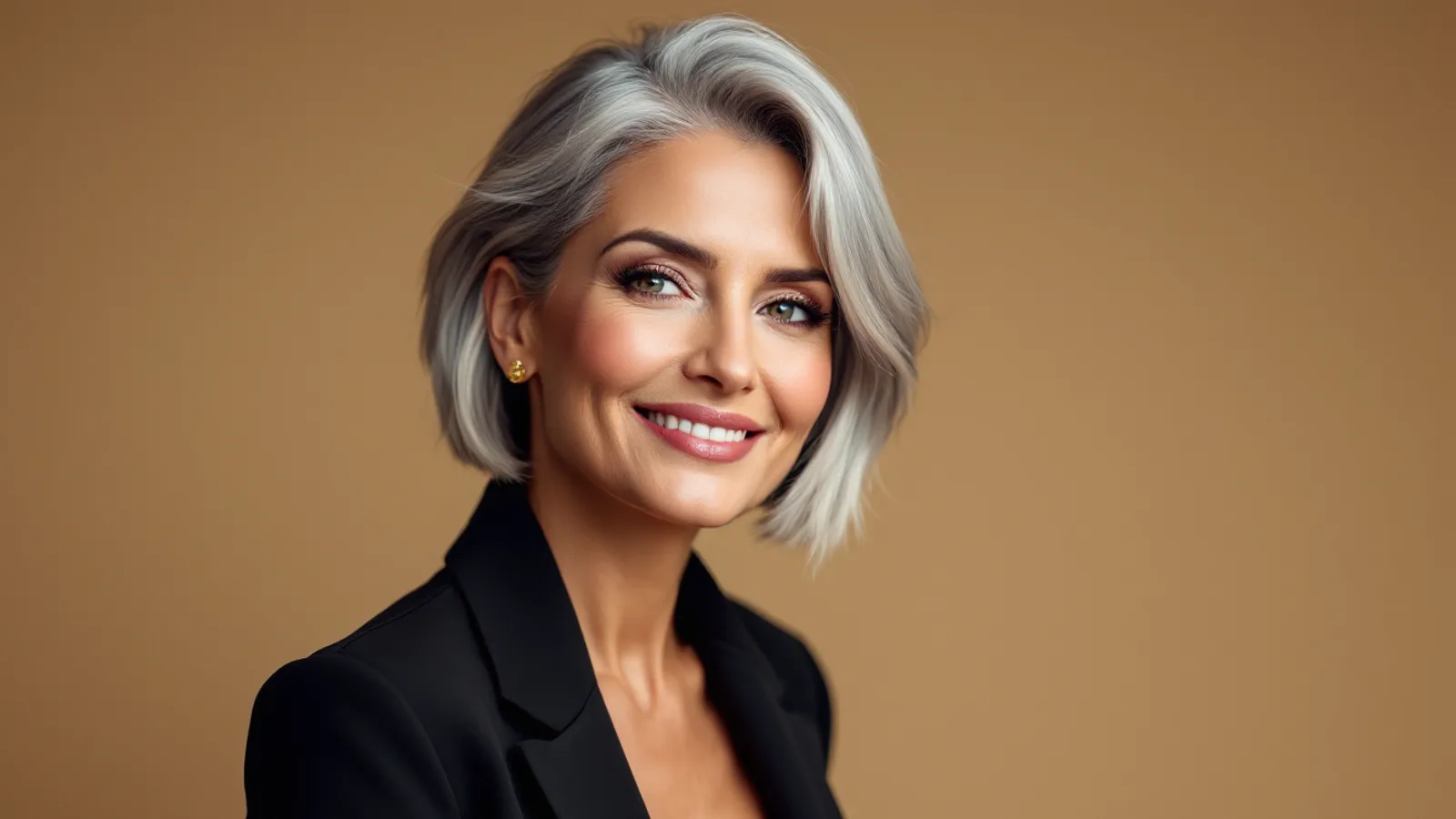
A portrait is about you as a person. Wider, more room for expression, mood and light. It is allowed to be beautiful rather than just useful.
A personal branding session is about your business. It produces a set of images across several looks and settings, made to be used across a website, social channels and marketing material for the next year or two.
The difference is not really about how tightly the camera is cropped. It is about how many jobs the photo has to do.
What makes a photo a headshot
A headshot is functional. That is not an insult, it is the design brief.
Typically it is cropped somewhere between mid-chest and just below the shoulders. The background is simple and does not compete. The lighting is even and flattering rather than dramatic. You are looking at the camera. It reads clearly at the size of a small circle on LinkedIn, which is the size most people will actually see it.
That last point drives most of the technical decisions. A headshot has to survive being shrunk to about the size of a thumbnail. Busy backgrounds, clever lighting and wide crops all fall apart at that size.
You need a headshot when: your firm asked for one, you are job hunting, your LinkedIn photo is a cropped wedding photo, you are speaking at something and they need a photo for the programme, or your current one is more than four years old.
Typical cost: $400 to $900 locally for a full session with hair, makeup and direction. There is a full breakdown in my guide to what professional headshots cost in Charlottesville.
What makes a photo a portrait
A portrait has more room in it, literally and otherwise.
You might be looking away from the camera. The light might be dramatic rather than even. There might be shadow, texture, movement, a sense of setting. The frame can be full length or close, and either can be a portrait.
The purpose is different. A headshot answers "what does this person look like." A portrait answers something closer to "who is this person." That sounds like marketing language but the practical difference is real: in a portrait session I am not trying to produce something that works as a thumbnail. I am trying to produce something you would hang on a wall.
You need a portrait when: you want images of yourself for yourself, you are marking something, a birthday, a graduation, a new chapter, or you want something with more feeling in it than a professional photo allows.
This is also where my Fabulous Over 50 sessions sit, and they are the clearest example of the difference. Nobody books one of those for a company directory. They book because they have thousands of photos of everyone they love and almost none of themselves.
Typical cost: my portrait sessions start at $690.
What makes it a personal branding session
This is the one people understand least, so it is worth being concrete.
A personal branding session is a photo shoot for a business that happens to be built around a person. It runs longer, usually half a day or more, and it produces a library rather than an image.
A typical set might include a formal headshot for the About page, a relaxed version for social, two or three environmental shots of you actually working, some detail shots of your hands, your desk, your tools, a couple of wide frames with negative space for a website hero where text goes over the image, and a few horizontal crops because social platforms and websites want different shapes.
That last detail is the one people never anticipate. A gorgeous vertical portrait is useless as a website banner. If you are building a site, you need horizontal frames with room for text, and that has to be planned during the shoot, not discovered afterwards.
You need a personal branding session when: you are the face of your business, you are launching or rebuilding a website, you post regularly and keep reusing the same three photos, or you are a coach, consultant, realtor, therapist, lawyer or creative whose clients buy you rather than a product.
Typical cost: $900 to $2,500 depending on length and how many setups.
How to tell which one you need
Four questions. Answer honestly.
1. How many different places will this photo appear? One or two, you need a headshot. Five or more, in different shapes and contexts, you need a branding session.
2. Is this for work or for you? For work, headshot or branding. For you, portrait. It is genuinely allowed to be for you.
3. Will you need it to still be right in two years? A headshot has a shelf life of three to four years. A branding library tends to need refreshing sooner, every twelve to eighteen months, because you use the images harder and people notice repetition faster.
4. Does anyone need to see what you do, or only who you are? If your work is visual or hands-on and showing it helps you sell, you need environmental frames, which means branding rather than headshots.
The overlap nobody mentions
In practice these blur, and a good session usually delivers more than one thing.
Almost every headshot session I shoot produces a few frames that are really portraits, because once someone relaxes about forty minutes in, the interesting expressions arrive. Those are frequently the images people like most, even though they came looking for something functional.
So do not agonise over the category. Book based on how much you need and how many jobs the images have to do, and tell your photographer what the photos are for. That single sentence changes how the whole session is shot.
What actually determines whether you like the photos
None of the above, honestly.
The category matters for planning and budget. Whether you like the results comes down to something else entirely: whether anyone is directing you.
Almost everyone who sits in front of my camera says a version of the same thing within the first five minutes. "I do not photograph well." I understand where it comes from and I promise it is not true. It usually just means nobody has photographed you with care and good light in a long time, and nobody has told you what to do with your hands.
You can book the perfectly correct session type and still end up with photos you do not use, if you spent the whole time standing on a mark wondering what your face was doing. That is the part that decides it, not the crop.
Frequently asked questions
What makes a photo a headshot? A tight crop from roughly mid-chest up, a simple background, even flattering light, and you looking at the camera. The test is whether it still reads clearly when shrunk to a small circle, because that is how most people will see it.
What is the difference between a headshot and a portrait? A headshot is functional and shows what you look like, cropped tight with a clean background. A portrait is expressive and shows something about who you are, with more room for mood, setting and light. A headshot has one job. A portrait can have several.
What should you not wear for a headshot? Avoid tight repeating patterns and thin stripes, which can shimmer on camera. Avoid loud logos, which date a photo quickly. Be careful with pure white, which can blow out under studio light, and pure black, which can lose all detail. Solid mid-tones and jewel tones work best.
Do you smile in your headshot? Usually yes, but not a held smile. The best headshot expressions come just after a real laugh rather than during a posed one. What suits you also depends on your field. A litigator and a children's therapist are not aiming for the same expression, and neither should force one that is not theirs.
What is the point of a headshot? It is often the first impression someone forms of you professionally. LinkedIn's own guidance states that "Simply having a profile photo results in up to 21x more profile views and 9x more connection requests." Having a good one rather than merely having one is where the rest of the value sits.
Can one session cover more than one of these? To a degree. A headshot session usually produces a few portrait-quality frames as a by-product. It will not produce a branding library, because that needs multiple setups, locations and crops planned in advance.
How often should I redo these? Headshots every three to four years, or sooner if your hair, glasses or role has changed noticeably. Branding libraries every twelve to eighteen months, because you use them harder.
Still not sure
That is normal, and it is a two minute conversation rather than a decision you should make alone from a blog post.
Tell me what the photos are for and who is going to see them, and I will tell you which session fits, including when the answer is the cheaper one. Get in touch, or have a look at every session type I offer if you would rather work it out yourself first.
If you have already decided on headshots, my guide on how to prepare for a headshot session covers wardrobe, grooming and how to look relaxed when you feel anything but.
About the author: Arnel Gonce is a portrait photographer in Charlottesville, Virginia. She has photographed over 1,000 sessions since 2015, covering headshots and personal branding, families, seniors, maternity, boudoir and her signature Fabulous Over 50 sessions. She guides every client from first nerves to final gallery so the camera catches them at their most confident.
Last updated: 2026-08-18
Arnel Gonce
Portrait Photographer, Charlottesville VA
Arnel Gonce is a portrait photographer in Charlottesville, Virginia. She photographs headshots, families, seniors, maternity, boudoir, and her signature Fabulous Over 50 sessions, guiding every client from first nerves to final gallery so the camera catches them at their most confident.
Reading is nice. Being in front of the camera is better.
Ready to Book Your Session?
Tell me what you have in mind and we will plan a session that feels easy, fun, and completely like you.