Headshots
What to Wear for Acting Headshots: Dress for Your Type, Not a Costume
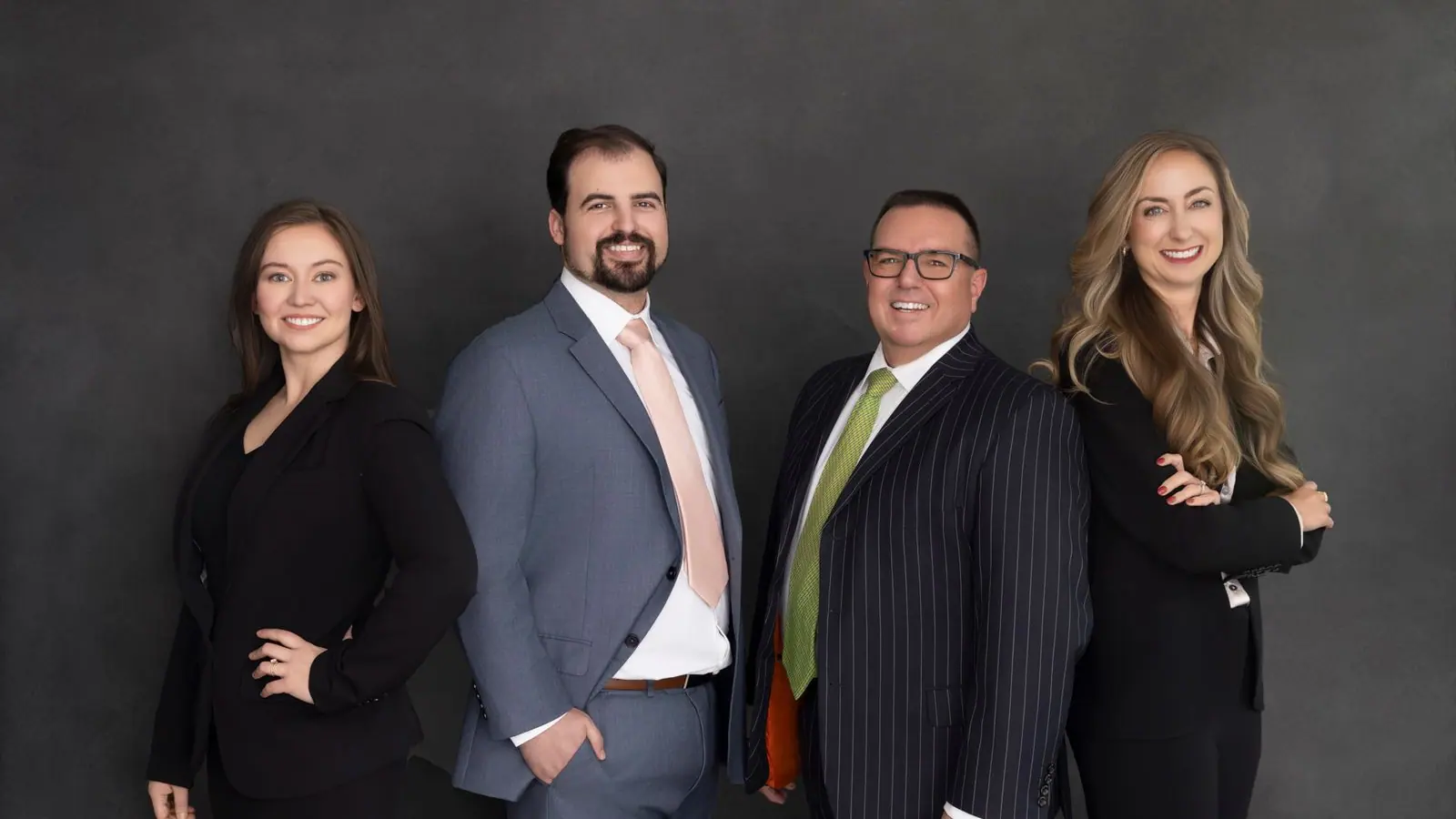
If you are an actor booking headshots, or the parent of one, the worry usually sounds like this: what if I dress for the wrong roles, or show up looking like I am in costume? Here is the short answer on what to wear for acting headshots. Simple, well-fitting clothes in solid colors that hint at the roles you are actually cast in, without spelling them out.
Commercial looks go lighter and warmer. Theatrical looks go deeper, with more texture. Anything that could only belong to one job stays at home.
The general basics, necklines, fit, fabric and glasses, are all in the wardrobe guide for headshots, so I will not repeat them here. This post is only about what changes when the photo is going to casting.
Start with your casting type, not your favorite outfit
A casting headshot is not a photo of you looking nice. It is a photo that answers one question quickly: who could this person play?
Your clothes start answering that question before your face gets the chance. Research published in Nature Human Behaviour in 2020 showed people the same faces in frontal headshots wearing different tops, and the same face in "richer" looking clothes was judged more competent. The effect held even when the photo flashed up for just 129 milliseconds, and even when people were told to ignore the clothes.
That study measured competence, not casting, but the lesson carries. A top changes how a face is read, fast. So choose it on purpose.
Your type is not who you dream of playing. It is who people already see when you walk in. List the roles you have been called back for, ask a teacher or an agent to describe you in five words, and look at the ages and jobs that keep coming up.
I know this part can sting, because it feels like being put in a box. But a clear type is what gets you into the room, and the room is where you show range. A headshot that tries to suggest everyone ends up suggesting nobody in particular. The bigger picture, beyond clothes, is in my guide to acting headshots.
Commercial vs theatrical headshots: what to wear for each
The two looks are not two different outfits so much as two different jobs.
A commercial headshot sells you as someone an audience would trust with a product. A theatrical headshot, the one used for film, TV and stage, sells you as someone with a story going on behind the eyes. The wardrobe follows the job.
What to wear for commercial headshots
Picture the person in a friendly ad for a bank or a family car. Soft knits, crew necks, a chambray shirt, a cardigan over a plain tee. Warm mid-tones and clean brights do well here, cornflower blue, coral, soft green, and a warm yellow if your coloring can carry it.
My quick test: could this person hand someone a cup of coffee in a thirty-second spot and be believed? If the outfit belongs in that kitchen, it works.
What to wear for theatrical headshots
Theatrical goes deeper and quieter. Olive, oxblood, slate, deep teal, worn-in denim. Texture earns its place here, a ribbed henley, a heavy knit, a waxed or leather jacket, because texture reads as lived-in, and lived-in reads as story.
The expression shifts as much as the clothes. Commercial usually wants a smile you can feel. Theatrical often holds something back. That part is my job on the day, and how I approach posing and expression has its own guide.
Looks by type, without the costume
The rule I go by: suggest the world, never the job title.
If a piece of clothing could only belong to one profession, it is a costume. If it could belong to several people living in the same world, it is a look.
The young professional
An open-collar shirt or a fine knit under an unstructured blazer. No tie, no lanyard. It should read as someone with a job and a commute, not a specific office.
The parent
A soft sweater, a chambray shirt, or a cardigan in a warm mid-tone. Approachable and comfortable, nothing that looks like it came straight off a mannequin.
The cop, the lawyer, the doctor
This is the type where costume is most tempting. Leave the scrubs, the badge and the stethoscope at home. A crisp collared shirt in navy or pale blue, a dark blazer, or a structured jacket says authority, and it lets casting picture you in whichever uniform their project needs.
The edgy or indie type
A dark tee under a leather or beaten-up denim jacket, or a heavy overshirt worn open over a solid top. Keep the piercings and tattoos you actually have visible, because they will be there when you walk in. Do not add any you do not have.
The best friend, the girl or guy next door
Bright and easy. A colored tee, a casual button-up with the sleeves pushed, a plain hoodie that fits. Warmth is the whole brief.
What reads as costume, and why casting steers away from it
A costume tells casting what to think. A headshot is supposed to let them decide.
These are the pieces that tip an acting headshot into costume:
- Uniforms and job-specific clothing. Scrubs, chef whites, police blue, a lab coat, a hard hat.
- Props. A stethoscope, a microphone, a guitar, glasses you do not wear.
- Period and genre pieces. Corsets, vests with pocket watches, cowboy hats, anything that belongs at a Renaissance fair.
- Formalwear. Prom dresses, tuxedos, sequins.
- Hats of any kind. They shadow the eyes and hide the hairline.
I understand the pull. A costume feels like proof that you can play the part. The trouble is that it narrows you to one part, usually not the one being cast, and it hides the thing a headshot exists to show, which is you.
Otterbein University's BFA audition guidelines (the 2020 edition) say something very close to this about audition clothing. Among the things that stop them from seeing an auditioner, they list using props and wearing "clothing that calls attention to parts of your body other than your face." They also ask you not to "push an image of yourself at us." Their summary line is the one I would tape inside the closet door: "We want to watch you, not your clothes."
This matters more in 2026, with AI headshot generators everywhere. However convincing a generated outfit looks, it is still a costume, and it is not evidence of anything. A casting headshot is only useful if the person in it is the person who walks through the door.
Colors that still read on a casting thumbnail
Your acting headshot is almost always seen small before it is seen big.
The help pages for Actors Access, an online casting system actors use to submit for roles, say it directly: the thumbnail is a smaller version of the photo that casting sees first when reviewing submissions. So the first audition is not the full-size image. It is the thumbnail.
At that size, detail disappears. Texture flattens, small patterns go muddy, and what is left is a few blocks of tone: hair, top, background. When two of those match, they merge, and the outline of you gets harder to read.
So the question is less "which color suits me" and more "which color separates me." A few pairings that hold up small:
- Dark hair: a mid-tone or brighter top, so your hair and shoulders do not melt into one dark shape.
- Light, blond or gray hair: a deeper top, which gives the frame a solid base and keeps your face the brightest thing in it.
- Red or auburn hair: greens, teals and blues separate cleanly. Rust and orange can blur into the hair at small sizes.
- Striking eye color: a top that picks up the color of your eyes helps them read, even tiny.
I choose the background with the same thing in mind. A gray backdrop with a gray sweater can look elegant at full size and turn into a floating face as a thumbnail, so we decide the top and the background together.
A test you can do tonight: take a phone photo of yourself in each top against a plain wall, then shrink it on screen to about the size of a postage stamp. If you can still see where your hair ends and your shoulders begin, that top works. It feels like a small detail. At postage-stamp size, it is most of the picture.
How to plan four looks in one 60-minute session
My headshot sessions run 60 minutes with up to four wardrobe changes, which is plenty for a full set of acting headshot outfits if the clothes are planned around each other.
Layering makes it work. When your base layers and jackets all go together, a change takes seconds, and the time goes back into shooting. The order I would plan:
- Commercial. A warm or bright mid-tone knit or tee. Open, easy, smiling.
- Theatrical base. A deeper solid top, a henley or a plain crew neck in a dark tone. Same hair, quieter expression.
- Theatrical, layered. The same base with a jacket over it, leather, denim or a structured blazer. A different person in the frame without a full change.
- Your strongest type. A collared shirt for authority roles, a soft cardigan for parent roles, or a clear, bright top for musical theater.
Bring more than four options and let me edit. Professional hair and makeup is included, so hair up for one look and down for another is easy. Then at the same-day reveal you sit down with me and choose your images, which is where you see which look really carries your type.
Not sure what in your closet works? Inquire about a headshot session and the wardrobe consultation is part of it, so we plan all four looks together before you ever stand in front of the light.
What to wear for musical theater headshots
Musical theater headshots sit somewhere between commercial and theatrical, with a bit more lift.
The characters are often brighter and bigger, and the photo usually wants an energy you can feel in the eyes. That pushes the wardrobe a half step brighter than a straight theatrical look. Clear colors, clean necklines, nothing heavy.
Ingenues and young leads
Soft, clear color and a simple neckline. A sky blue or rose knit does more than a gown ever could. Ingenue is a quality in the face, not a dress.
Leading roles
An open collar, a good knit, a fitted jacket. Not a tux. You are showing them someone who could carry the second act, not someone on the way to an awards show.
Character and comic roles
This is where a stronger color or a slightly quirky texture earns its place. A mustard cardigan or a bold solid. Personality, not props.
Broadway In Chicago's guidance for students in its Illinois High School Musical Theatre Awards puts the formalwear question to rest: there is no need to get dressed up in a prom dress or tux. Their advice is a simple, solid top that fits well, and the more natural, the better.
If dance is a big part of how you are cast, the dance photo is a different brief with its own rules, which I cover in dance headshots and audition photos.
What should kids and teen actors wear for headshots?
Parents tend to over-dress young actors, and it comes from a good place. You want them to look their best. In a casting headshot, their best is simply them on a good day.
For younger kids:
- Clothes they already own and like, in solid, clear colors. A child who likes their shirt looks happier in it.
- Nothing with cartoon characters or slogans. They date fast and pull the eye straight off the face.
- No grown-up styling. Nothing that makes them look older than the ages they will be submitted for.
- Let them pick the color of one look. It costs nothing, and it tends to show in the expression.
Teenagers often have the opposite problem. They want to look older, or more styled, than the roles they will actually be seen for. A fifteen-year-old who plays fourteen to seventeen needs to look that age in the photo. A fitted tee, a casual button-up, a denim jacket. A school day, on a good day.
Kids change quickly, too. A growth spurt, new teeth or a big haircut, and the photo no longer matches the child who walks into the audition. Update it when they look noticeably different rather than on a fixed calendar.
If your teen is heading into college theater auditions, check each program's rules first. Some do not require a professional photo at all, and the University of Washington's School of Drama tells applicants you do not need a professional headshot for its auditions. If you do book a session, everything above applies.
Frequently asked questions
What should you not wear for acting headshots? Anything that reads as costume: uniforms, props, period pieces, formalwear and hats. Also avoid a top in the same tone as your hair or the background, because the two merge at thumbnail size.
Should you wear black in an acting headshot? Sometimes, for a theatrical look, if your hair and the background give it contrast. Black on dark hair against a dark backdrop collapses into one shape on a thumbnail. For commercial looks, a warmer color almost always does more work.
How many looks do I need for acting headshots? A commercial look, a theatrical look and one aimed at your strongest casting type make a solid set. My headshot sessions allow up to four wardrobe changes, so a layered theatrical look fits in as a fourth.
What should kids wear for acting headshots? Clothes they already own and like, in solid colors, with no characters or slogans, and nothing that makes them look older. The photo has to match the child who walks into the audition.
Can I use the same outfit for musical theater and film headshots? You can, but two looks usually serve you better. Musical theater tends to want a brighter, more open feel, and film and TV a deeper, quieter one. A simple base top worn with and without a jacket covers both.
Bring the clothes you would audition in
You do not need a new wardrobe for this. The right headshot outfits for actors are usually already in the closet, and helping you see yours is exactly what the wardrobe consultation is for.
Headshot sessions are from $690, and how headshot pricing works explains what that covers. When you are ready, inquire about a headshot session and we will plan your looks together, starting with what you already own.
Last updated: September 30, 2026
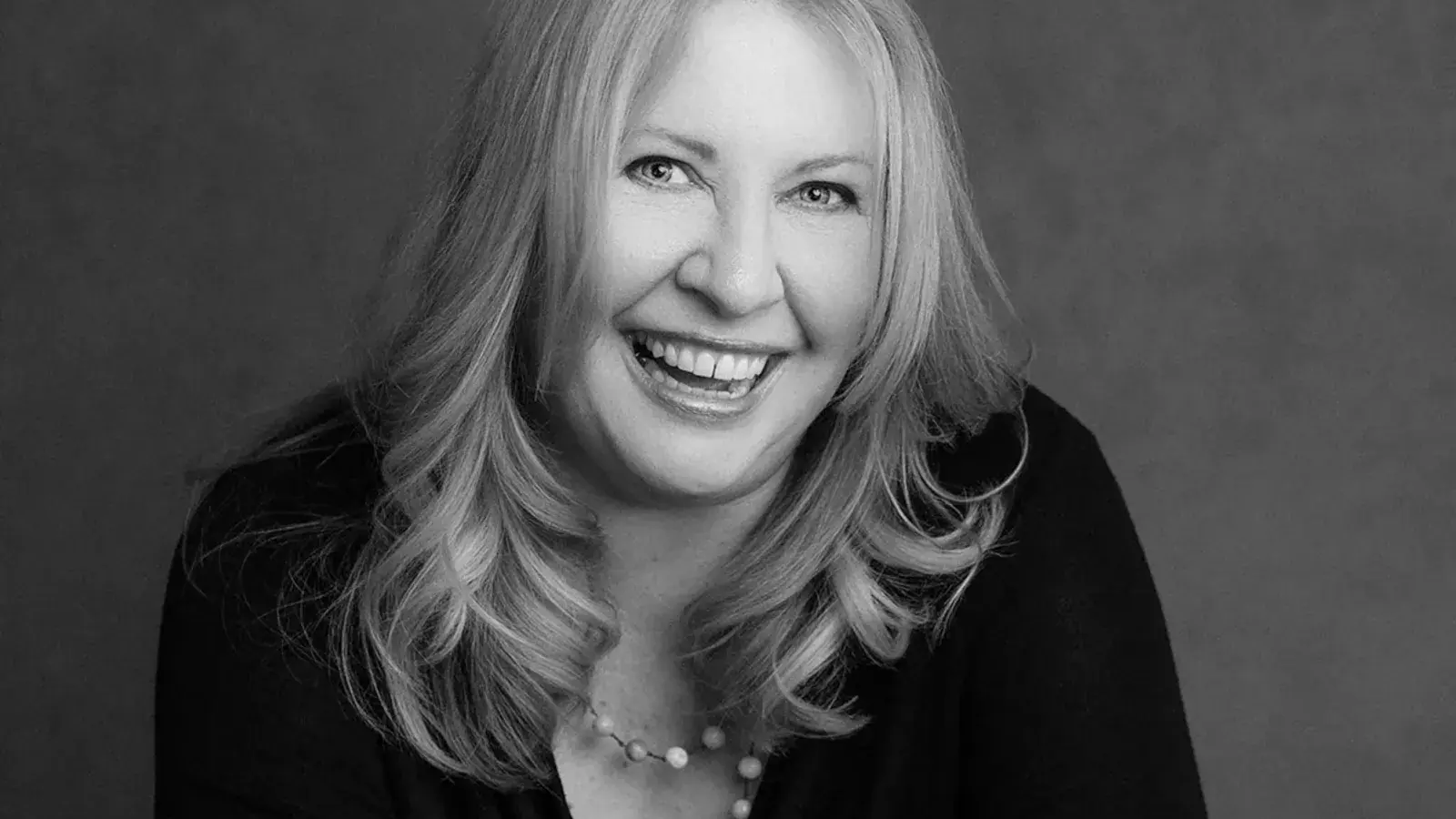
About the author: Arnel Gonce is a portrait photographer in Charlottesville, Virginia. She has photographed over 1,000 sessions since 2015, covering headshots and personal branding, families, seniors, maternity, boudoir and her signature Fabulous Over 50 sessions. She guides every client from first nerves to final gallery so the camera catches them at their most confident.
Arnel Gonce
Portrait Photographer, Charlottesville VA
Arnel Gonce is a portrait photographer in Charlottesville, Virginia. She photographs headshots, families, seniors, maternity, boudoir, and her signature Fabulous Over 50 sessions, guiding every client from first nerves to final gallery so the camera catches them at their most confident.

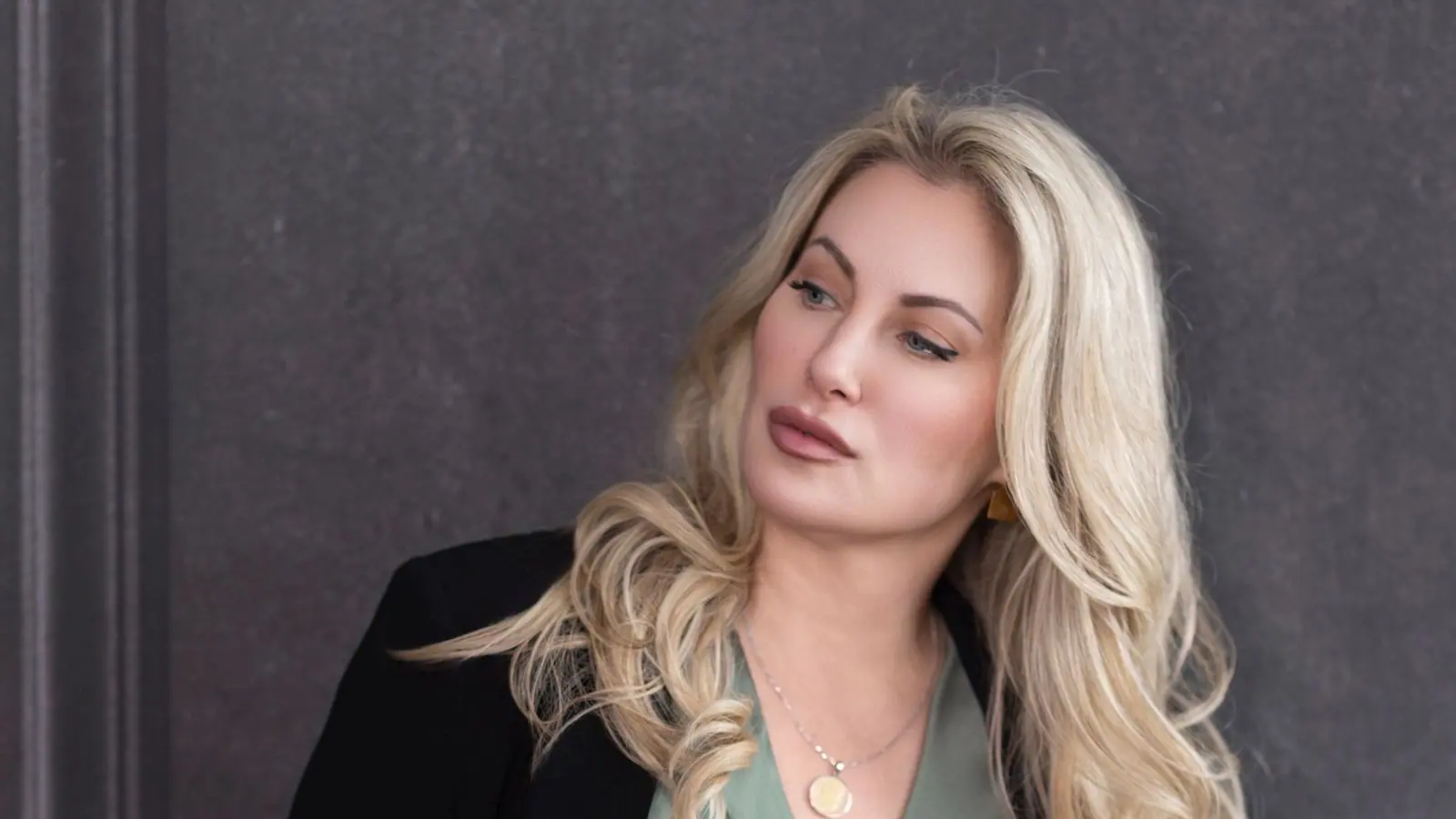
Reading is nice. Being in front of the camera is better.
Ready to Book Your Session?
Tell me what you have in mind and we will plan a session that feels easy, fun, and completely like you.