Headshots
Dance Headshots: What Dance Auditions Actually Ask For
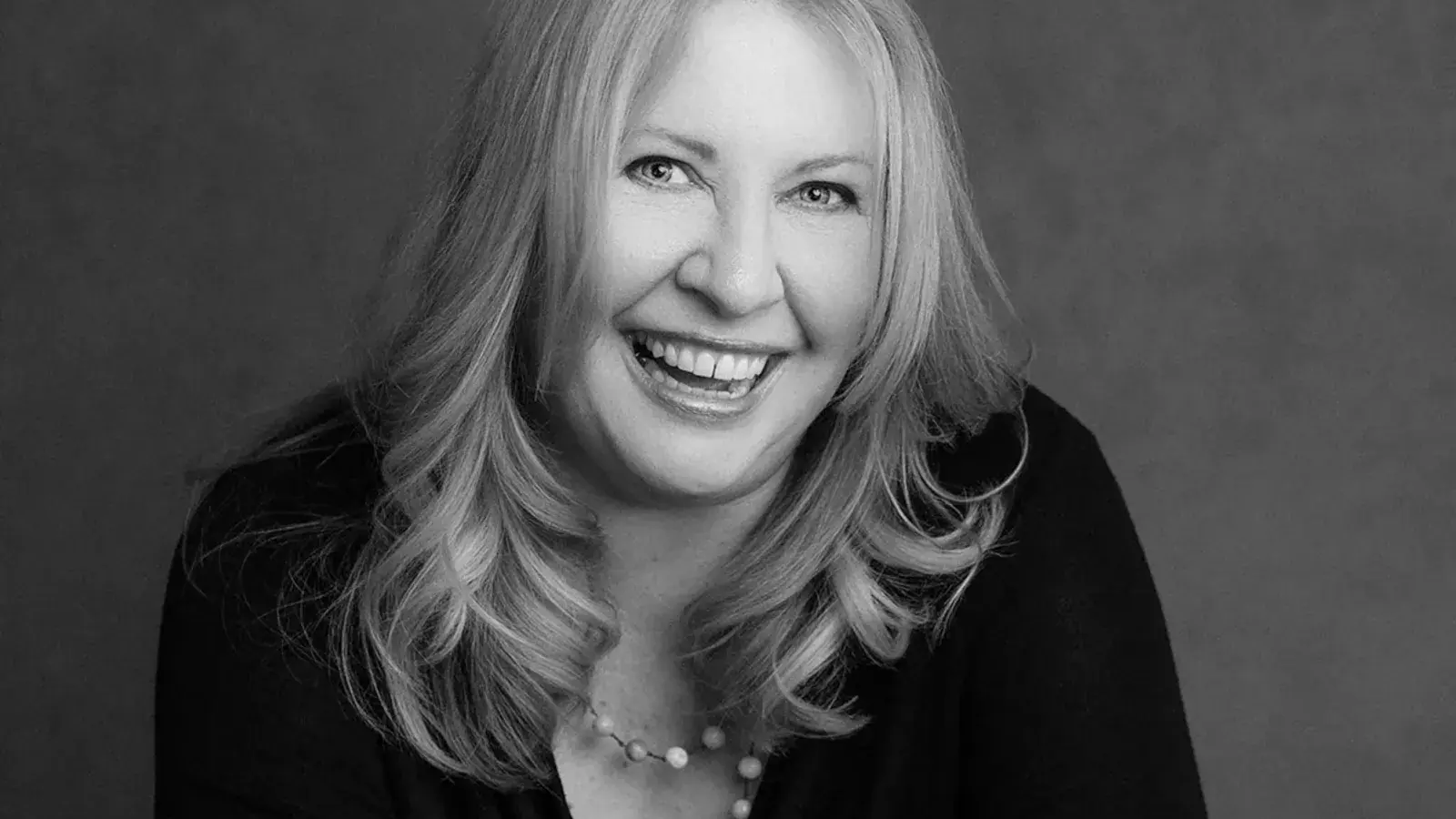
A dance headshot is a current, well-lit photo of your face and shoulders, with your hair the way you wear it to class. Most dance auditions ask for it alongside one or two full-body photos in set positions, usually first arabesque and tendu à la seconde. The program's own page has the exact list.
If you are a dancer, or the parent of one, the worry behind this search is usually some version of "what if the photo does not show what I can actually do?" Or the quieter one: "what if the photographer has no idea what an arabesque is supposed to look like?"
Both are fair worries. Both have the same answer, and it is less frightening than it sounds. The requirements are written down. Programs publish them position by position, down to the color of the tights, and a session planned against that list leaves very little to guess.
Your technique belongs to you and your teacher. My part is the light, the frame and the plan, with hair and makeup handled in the studio before we start.
What is a dance headshot?
A dance headshot is a portrait, not a dance photo. It is usually framed from about the chest up, and its job is to let a panel match your face to the dancer who walks into the studio.
That is a different job from the full-body audition photos. The position photos show your line. The headshot shows you, on a good day, looking like yourself, and that matters more than people expect, because it is the photo someone holds up next to your real face.
Dancer headshots also want a slightly different frame from a business headshot. The neck, the shoulders and the way you carry your head are part of how you are recognized, so I would leave more of them in the crop. Clothes stay simple, a leotard or a fitted top with a clean neckline. No costume, no stage makeup, nothing that reads as a performance shot.
What dance auditions actually ask for
Here is a real list, from a school just down I-64. The Richmond Ballet summer intensive audition page asks for full-length photos, with women in a black leotard, pink or skin-toned tights and shoes, and men in a white or black t-shirt with black tights and shoes. Then it lists three photos:
- First position of the feet with tendu à la seconde, arms low or in second, facing the camera.
- First arabesque in profile, en pointe for advanced women.
- A recent headshot, marked as required for the Trainee audition only.
Read that last line again. The summer intensive list does not ask for a headshot at all. The Trainee audition does.
That is the thing I would want every dancer and every dance parent to see before booking anything. The position photos are the core of a ballet submission. The headshot comes and goes depending on the program. And the small details change from school to school: facing the camera or in profile, pointe shoes or soft shoes, a black leotard or any solid color.
First arabesque shows up on every ballet photo list linked in this post. Almost everything around it varies.
Dance audition photos for college BFA and BA programs
College applications add their own layer of detail, and it pays to read them slowly.
Texas Christian University is a clear example. Its BFA dance audition requirements ask every applicant for a headshot. Ballet applicants add two photos: one in tendu à la seconde, and one in first arabesque facing profile. If you are currently studying en pointe, the arabesque is taken sur la pointe. If you are not, it is taken en relevé in soft ballet slippers. Modern dance applicants may submit photos of their choosing.
Two things in there deserve attention.
If you are not on pointe yet, take the relevé instruction at its word. The program wrote that line for dancers exactly where you are, so there is nothing to apologize for in the photo.
"Photos of their choosing" is the hardest instruction on the page, because now you have to decide what represents you. Make that decision with your teacher before the session, so we know which photos we are planning for.
If you are a high school senior, all of this often lands in the same school year as senior portraits. They are different sessions with different jobs. A senior session is about you at the end of high school. A dance submission is about answering a requirement list, and it helps to know which one you are booking.
Do dance audition photos need to be professional?
Often, no. And the programs say so themselves.
Ballet California's audition materials guide says it better than I could: "You do not need professional photos. This is just for the directors to be able to identify you and see your technique." TCU's page says its headshot does not need to be professional quality either.
If your program says that, believe it. A clean, well-lit photo against a plain wall will do its job.
That Ballet California sentence is also the clearest brief I know of for what these photos are for. Identify you. See your technique. The backdrop, the heavy editing, the dramatic light, all of that is decoration.
So when is a professional session worth it? Here is my honest answer.
- You are applying to several programs and want one headshot, planned once, that works for all of them.
- The headshot has a life beyond one deadline, on a company audition form, a teaching profile or a studio's faculty page.
- Home photos keep coming out dim or grainy, and whoever is holding the phone is guessing.
- You want hair and makeup handled and the session planned for you, so the dancer only has to arrive warm and ready.
A word about AI, because headshot generators are everywhere in 2026. A generator can draw a dancer in first arabesque. It cannot draw yours. The program asked to see your technique, and an invented arabesque is not your technique, however polished it looks.
Prefer to hand the planning to someone? Inquire about a headshot session and bring your requirement pages with you. We go through them at the wardrobe consultation, before you ever step into the studio.
Dance headshots vs. acting headshots
Acting headshots are built around type and the roles you get called in for, and I cover that properly in the guide to acting and theater headshots. Dancer headshots borrow the basics and change a few things.
The crop leaves more neck and shoulder. The hair is off the face, especially for classical work. The wardrobe is a leotard or a fitted top rather than a jacket. And the expression shifts with the style you dance. For ballet headshots, a calm, composed face usually reads right. For commercial dance, it can be warmer and bigger.
Posing is the part a dancer usually needs the least help with. My general approach is in how I direct headshot poses, but with a dancer, posture is rarely the thing to fix. You have spent years learning how to hold your head.
The face is where the work is. Stage training teaches you to project to the back row, and a headshot is close and quiet. So most of my direction would go into expression, softening the jaw and finding the version of your face your friends would recognize across a room.
Hair and makeup for dance headshots
For ballet headshots, hair is the one rule I would treat as fixed. Kansas City Ballet's summer intensive audition page asks that hair past the shoulders be pulled back in a ballet appropriate style for the headshot. The reason is practical. The panel compares the photo to the dancer who walks in, and that dancer is wearing a bun.
Professional hair and makeup is included in a headshot session, so the finishing is taken care of. The shape should still be the one you audition in. Come with your bun done the way you do it for class, not a special-occasion version, so the photo matches the dancer at the barre.
If you also want a hair-down headshot for commercial or contemporary submissions, tell me ahead of time. We shoot that look first, because pins and spray leave kinks that take a while to drop out.
Makeup is the easiest place to overdo it, and I understand why. Stage makeup is built to read from a balcony. Up close, under studio light, it reads as a mask.
What you want is a polished version of your rehearsal face. Even, matte, natural brows, nothing dramatic around the eyes, and for younger dancers, less again. If you are afraid you will look washed out without your stage face on, that is a lighting problem, not a you problem, and lighting is my job.
What to wear for dance audition photos
The first rule is boring, and it is the one that matters most. Wear exactly what the list says. If a program asks for a black leotard, a burgundy one is the wrong answer, however good it looks on you.
Where the list leaves room, simple wins. Kansas City Ballet asks for a "simple, single-colored leotard," and that is a good default even when a program says nothing. Busy straps, cutouts and mesh panels interrupt the line the photo exists to show.
Here is what I would pack:
- Two leotards in the colors your lists ask for, or two solid options if they do not specify.
- Tights with no runs, pink or skin-toned unless told otherwise, plus a spare pair.
- The right shoes. Ballet slippers, and pointe shoes if a list asks for pointe, with ribbons sewn and the ends tucked.
- A fitted top with a clean neckline for a second headshot look.
- Your own hair kit, the pins, net and spray you use for class.
- Warm layers for between setups, which stay out of the frame.
A headshot session allows up to 4 wardrobe changes. That sounds generous until you map it onto an audition list: the black leotard one program wants, a different solid for another, a fitted top for the headshot, and a hair-down look for commercial submissions. Four, used.
For the general logic of color and necklines, the wardrobe guide for headshots covers it, and most of it carries straight over to the headshot half of a dance submission.
How to plan a dance headshot session around your audition
Good dance audition headshots start with paperwork. This is the part that decides whether the session works, and it happens before anyone picks up a camera.
- Collect every requirement page first. Not every program wants photos. UNCSA's summer dance audition page states that photographs are not required for its Summer Dance auditions. Do not plan photos for a program that will never look at them.
- Put the lists side by side. Headshot or no headshot. Positions. Attire. Format. One program wants a JPEG of at least 800 by 800 pixels, another wants a 4 by 6 print with the dancer's name and age on the back.
- Find the overlap. Across the lists in this post, the same three photos keep coming back: a headshot, first arabesque and tendu à la seconde, with differences in facing, footwear and leotard color. That overlap is your shot list.
- Bring the list to the wardrobe consultation. This is where we plan the photos your audition asks for, decide what you wear for each, and set the order. A headshot session is 60 minutes, which is exactly why the planning happens before you arrive.
- Arrive warm, with your bun done. The way you would for class.
- Choose against the list, not your favorite. At the same-day reveal we sit down and go through the images together, and I would keep the requirement pages on the table. The photo you love most is not always the one that answers the requirement.
- Check each portal before you upload. File type, size, labeling. A rejected upload the night before a deadline is the one stress you can avoid entirely.
Frequently asked questions
What should you wear for dance headshots? A simple, solid leotard or a fitted top with a clean neckline, and nothing that pulls the eye away from your face. For the full-body audition photos, wear exactly what each program's list asks for, which is often a specific leotard color with pink or skin-toned tights.
What photos do you need for a dance audition? It depends on the program, so read its own page first. The ballet lists linked in this post ask for first arabesque, often with tendu à la seconde and a headshot. Some programs, like UNCSA's summer dance intensives, do not ask for photos at all.
Do dance audition photos need to be professional? Many programs say no. They need a photo that identifies you and shows your technique clearly. A professional session makes sense when you want one plan, and one headshot, covering several applications.
Should a dancer's hair be up or down for headshots? Up for ballet and classical submissions, pulled back the way you wear it in class. A hair-down headshot can suit commercial or contemporary submissions where the program allows it, and it is worth shooting first in the session.
What is the difference between a dance headshot and an acting headshot? An acting headshot is built around casting type. A dance headshot is built around recognition: your face, neck and carriage, with hair off the face, so a panel can match the photo to the dancer in the room.
How often should a dancer update their headshot? Whenever it stops looking like you. Young dancers change quickly, and a growth spurt or a new haircut is enough. If someone at an audition would need a second look to match you to your photo, it is time.
Start with the list
You do not need to know how to be photographed to get this right. You need the requirement pages and someone to direct the parts that are not dancing. The dancing you have already done, in class, for years.
Headshot sessions start from $690, and what a professional headshot actually costs explains what that covers. When your lists are printed, inquire about a headshot session and we will plan the photos your audition asks for at the wardrobe consultation.
Last updated: September 23, 2026
About the author: Arnel Gonce is a portrait photographer in Charlottesville, Virginia. She has photographed over 1,000 sessions since 2015, covering headshots and personal branding, families, seniors, maternity, boudoir and her signature Fabulous Over 50 sessions. She guides every client from first nerves to final gallery so the camera catches them at their most confident.
Arnel Gonce
Portrait Photographer, Charlottesville VA
Arnel Gonce is a portrait photographer in Charlottesville, Virginia. She photographs headshots, families, seniors, maternity, boudoir, and her signature Fabulous Over 50 sessions, guiding every client from first nerves to final gallery so the camera catches them at their most confident.


Reading is nice. Being in front of the camera is better.
Ready to Book Your Session?
Tell me what you have in mind and we will plan a session that feels easy, fun, and completely like you.