Headshots
Corporate and Team Headshots: A Planning Guide for Charlottesville Businesses
Someone has handed you this job. Probably you did not ask for it.
The team page looks like a ransom note. Four people have proper headshots from three different photographers, two have cropped wedding photos, one is a selfie in a car, and the newest hire has nothing at all. Someone in a leadership meeting said "we should sort the website photos out" and now it is on your list.
Here is how to run it properly, what it will cost, and the small decisions that separate a set that looks deliberate from a set that looks assembled.
Most of what is written about corporate headshots online is written for photographers, about lighting ratios and Lightroom presets. This is written for the person booking.
What corporate headshots actually are
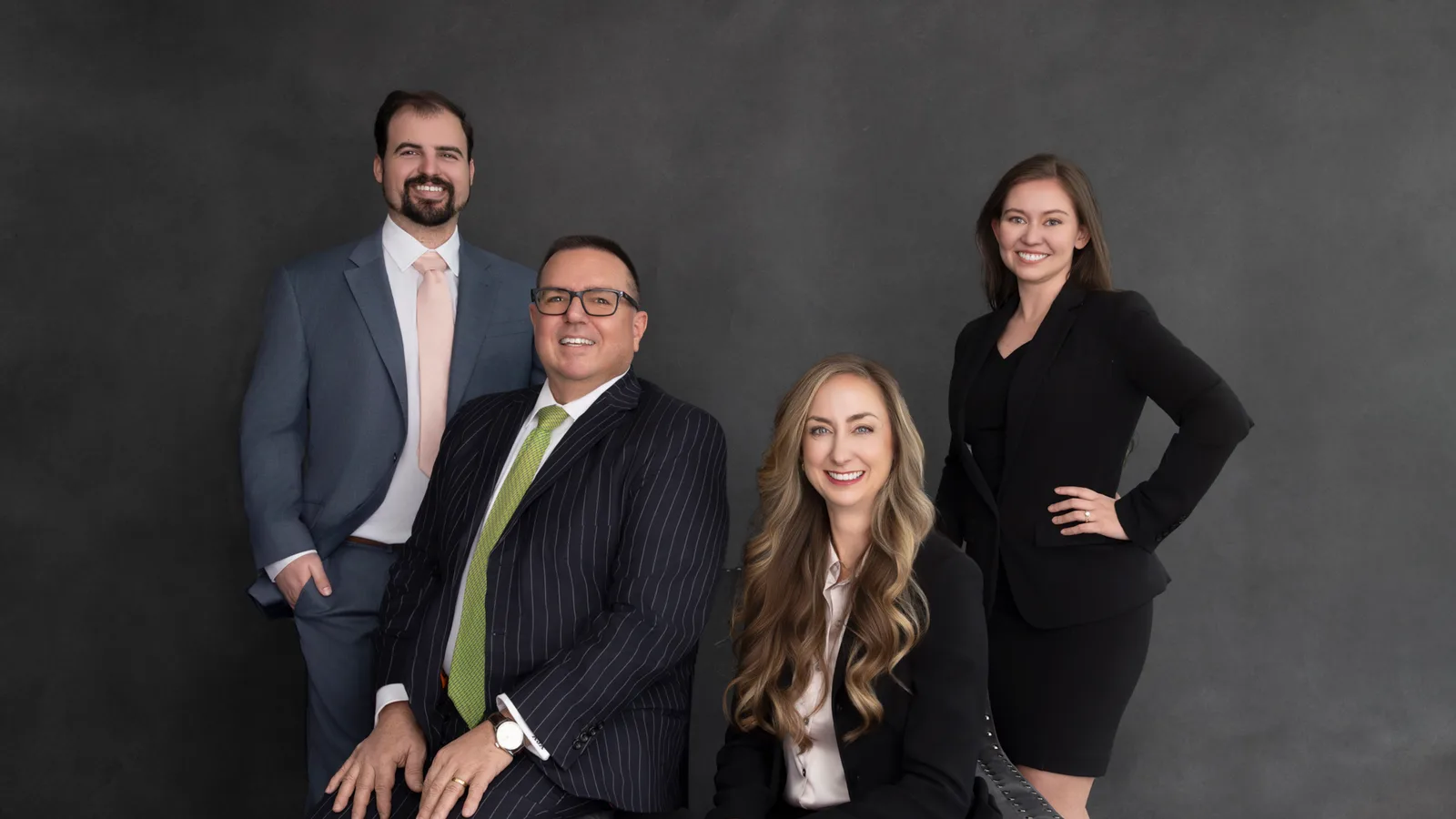
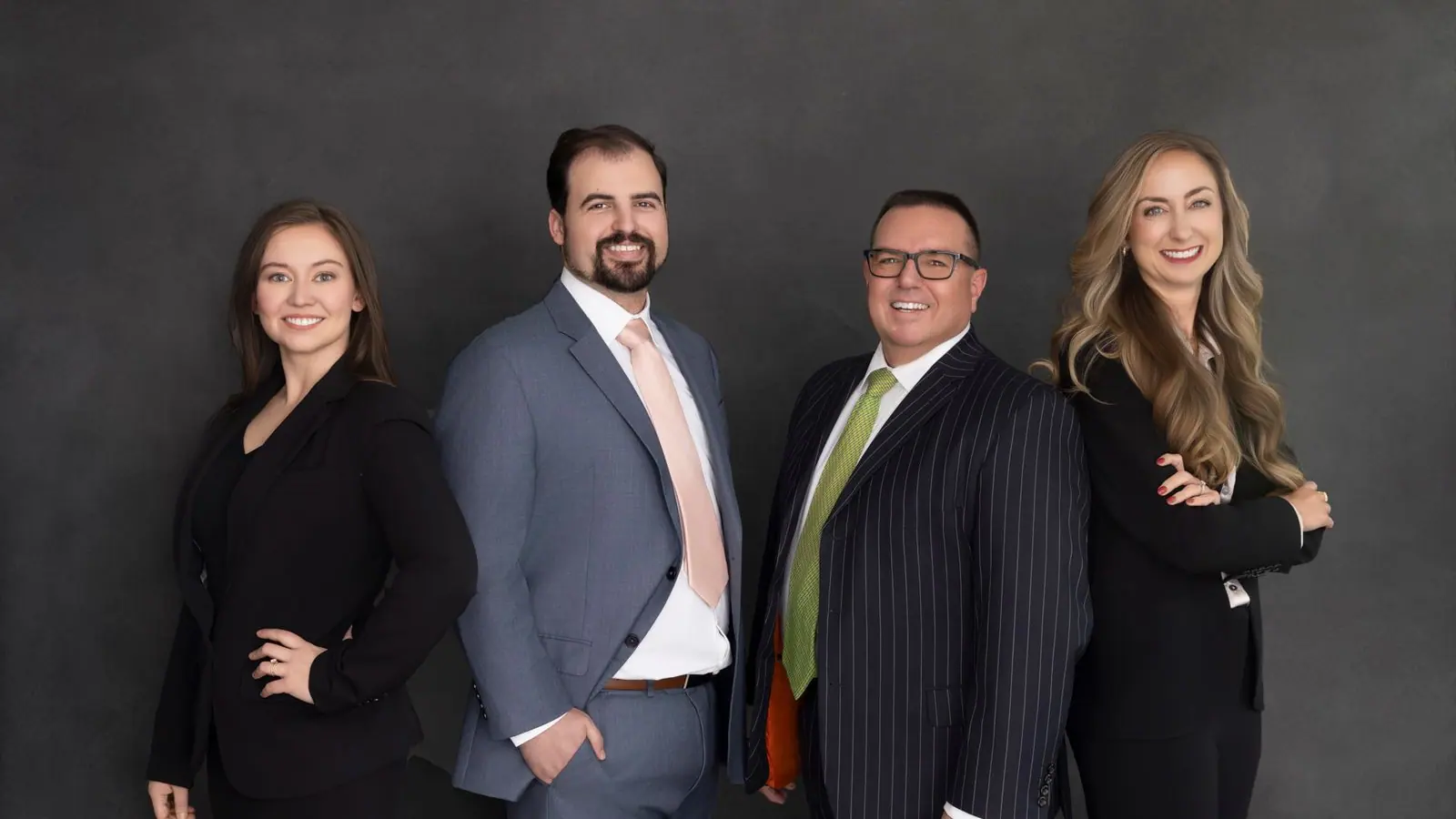
A corporate headshot set is a group of individual portraits shot to a shared standard so they sit together on one page without clashing. Same lighting, same background treatment, same crop, same general feel.
That last part is the entire product. Any competent photographer can take a nice photo of one person. The job in corporate work is taking forty nice photos of forty different people, with different colouring, different heights, different levels of enthusiasm, and having them look like a set.
It is worth separating three things people use interchangeably:
- Corporate headshots. Consistent individual portraits for a website team page, LinkedIn and email signatures. The most common request by far.
- Environmental or branding portraits. People photographed working, in the office or in the field. Better for a homepage or an About page than a team grid.
- Team and group shots. Everyone in one frame. Harder than it sounds, and worth doing separately rather than at the end of a long headshot day when everyone has stopped smiling.
Most businesses want the first, think they want the third, and get the most long-term use out of a few of the second.
What it costs
Corporate work is almost always priced per person rather than per session, and the per-person figure drops as the group grows.
Locally, expect somewhere in the region of $75 to $250 per person, depending on:
Group size. The setup cost is fixed. Lighting, backdrop and testing take the same time whether the next person through the door is number three or number thirty. A team of six will pay more per head than a team of forty.
Where it happens. Bringing the studio to your office costs more than your team coming to the studio, because it means transporting and rebuilding a lighting setup on site. On the other hand it costs your staff far less time, which is usually the bigger number.
How many images per person. One finished image each is the standard. Some businesses want two, a formal one and a relaxed one, which is genuinely useful and adds a little to the cost.
Retouching level. Basic cleanup is standard. Anything heavier is priced separately.
Whether you need it repeatable. If you want new starters matched to the same look next year, say so at the start. It costs nothing extra to record the setup, and it is very expensive to guess at it later.
For context on individual pricing, I wrote a full breakdown of what professional headshots cost in Charlottesville covering single sessions.
How long it takes
The number that surprises people.
Budget five to ten minutes per person once the setup is running. For a team of twenty that is roughly two and a half to three hours of shooting, plus about an hour of setup and packdown.
Five minutes is enough because the lighting is already dialled in and does not change. The time goes on the human part, getting someone to unclench their shoulders and stop doing the smile they do for their passport.
Do not book people back to back with no slack. Someone will be on a call. Someone will be at lunch. Someone will have forgotten entirely. Build in a buffer and a catch-up slot at the end, and nominate one person internally who chases people to the room. That person is the reason the day runs or does not.
The prep that makes the difference
Send your team something in advance. Not a policy document, just a short note. Most of the awkwardness on a headshot day comes from people arriving with no idea what was expected.
Cover these:
Wardrobe. Solid colours photograph best. Mid-tones and jewel tones are safest. Suggest people bring a second option, and tell them what the background will be so they do not turn up in the same colour as it.
What not to wear. Tight repeating patterns, thin stripes and small checks can shimmer strangely on camera. Loud logos date a photo fast. Bright white can blow out under studio lighting and pure black can lose all detail in a dark suit.
Glasses. If they wear them daily, wear them. Anti-glare coating helps enormously. If they have a spare pair with the lenses out, that solves reflections entirely.
Grooming. Any haircut should happen a few days before, not that morning. Same with any beard tidy-up.
Set expectations about the day. Tell people how long it will take and that they will be directed the whole way. The single most common thing I hear when someone sits down is that they do not photograph well. It is almost never true. It usually means nobody has photographed them with good light and told them what to do with their hands.
Consistency, the part most sets get wrong
If you take one thing from this, take this section.
Pick one background and stay on it. Mixing a grey backdrop for half the team and an office window for the other half will look like a mistake on the team page, no matter how good each individual photo is.
Pick one crop. Head and shoulders, or mid-chest up. Decide before you start.
Decide on smiling. You do not need everyone doing the same expression, but you do need the same register. A page where three people are laughing and eleven are stone-faced reads as inconsistent rather than varied.
Shoot new starters to the same spec. This is the one everyone forgets. Six months later there are four new people photographed differently and the set unravels. Ask your photographer to keep the setup on file and book a short top-up session once or twice a year.
Why this is worth doing at all
For most businesses the team page is the second or third most visited page on the site, after the homepage and services. People check who they would be working with before they enquire. Professional services in particular, law, finance, healthcare, consulting, live or die on whether the people look credible.
There is a measurable version of this on the individual side too. According to LinkedIn's official profile photo guidance, "Simply having a profile photo results in up to 21x more profile views and 9x more connection requests."
For a sales team or anyone doing business development, that is not a vanity exercise. That is pipeline.
A realistic timeline
Four weeks out. Book the photographer and lock the date. Decide studio or on site.
Three weeks out. Send the wardrobe note to the team. Confirm how many images per person and what the retouching level is.
One week out. Circulate the schedule with individual time slots. Nominate your internal chaser.
On the day. Have a room with space and a power outlet. Somewhere for people to leave bags and check themselves before they sit. Someone available to make quick decisions.
After. Agree the file naming convention before delivery. Getting forty files named IMG_4471.jpg is its own small tragedy for whoever updates the website.
Frequently asked questions
What makes a good corporate headshot? Consistent lighting, a clean background, a natural expression, and a crop that matches the rest of the team. The technical side should be invisible. If someone notices the lighting before they notice the person, something has gone wrong.
What are corporate headshots? Individual professional portraits of staff shot to a shared standard so they work together on a company website, LinkedIn and marketing material. The consistency across the set is the thing that distinguishes them from ordinary portraits.
What colours should you not wear for a headshot? Avoid tight repeating patterns and thin stripes, which can shimmer on camera. Avoid loud logos. Be careful with pure white, which can blow out, and pure black, which can lose detail. Solid mid-tones and jewel tones are the safest choices.
How much is a typical headshot? For an individual session in Charlottesville, roughly $400 to $900 with hair, makeup and direction included. For corporate work priced per person, roughly $75 to $250 depending on group size and location.
Can you come to our office? Yes. On-site sessions cost a little more because the lighting setup has to be transported and rebuilt, but they save your team a significant amount of time, which is usually the better trade for groups over about eight people.
What if someone is off sick on the day? Build a catch-up slot into the schedule. For anyone still missed, a short top-up session shot to the same setup keeps them consistent with everyone else.
How often should a company redo its headshots? Every three to four years for the full set, with top-ups for new starters once or twice a year in between. Doing the whole team every year is unnecessary. Leaving it seven years is why you are reading this.
Getting it booked
The teams that end up with a good set are not the ones with the biggest budget. They are the ones who decided the background, the crop and the expression before anyone stood in front of a camera, and who told their people what to expect.
If you want to talk through what your team needs, inquire about a headshot session and tell me roughly how many people and whether you would rather come to the studio or have me come to you. I will come back with a per-person figure and a schedule that fits your day.
You can also see how I run individual headshot and personal branding sessions, and if you want to send your team something useful in advance, my guide on how to prepare for a headshot session works well forwarded as-is.
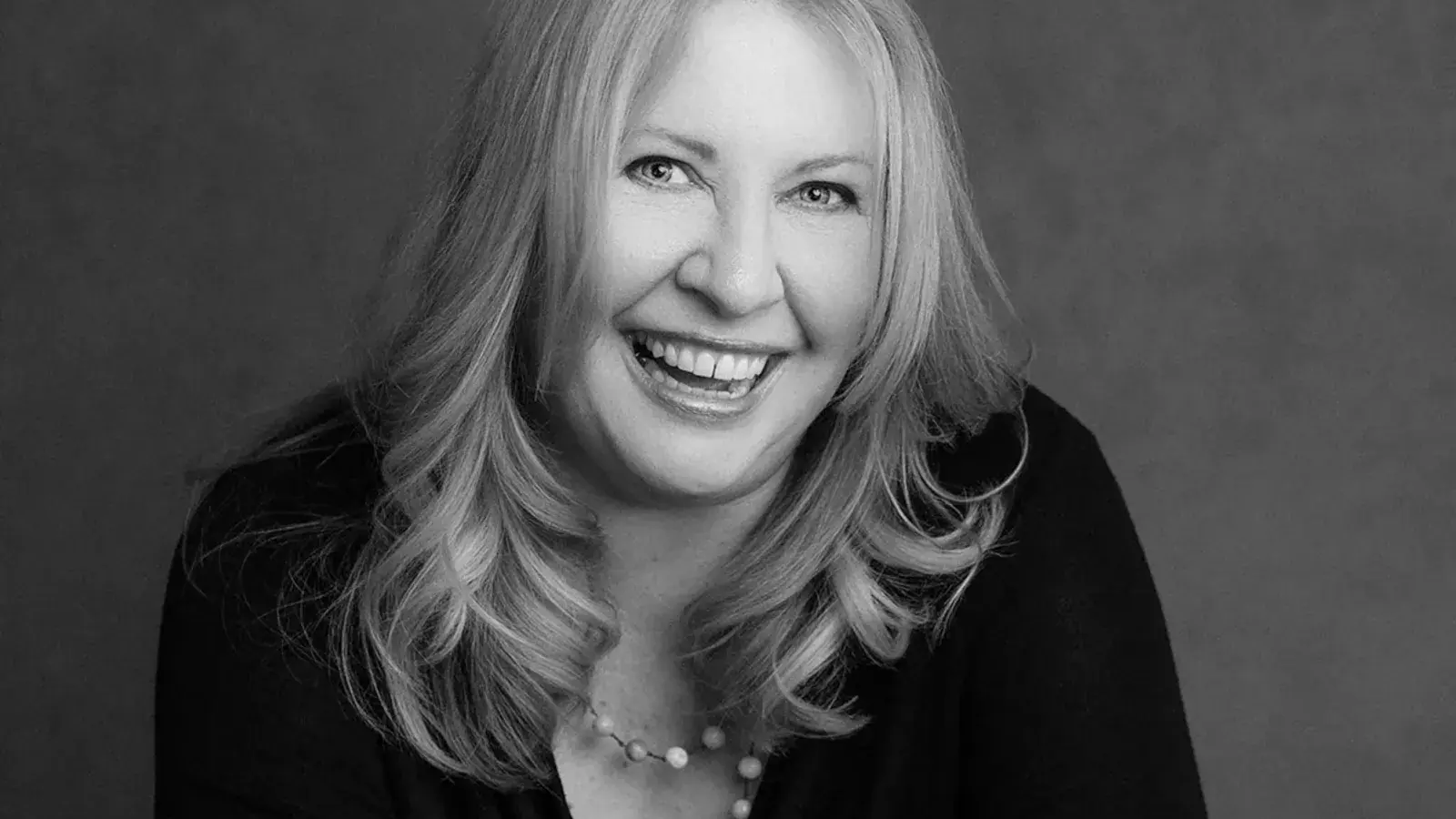
About the author: Arnel Gonce is a portrait photographer in Charlottesville, Virginia. She has photographed over 1,000 sessions since 2015, covering headshots and personal branding, families, seniors, maternity, boudoir and her signature Fabulous Over 50 sessions. She guides every client from first nerves to final gallery so the camera catches them at their most confident.
Last updated: 2026-08-18
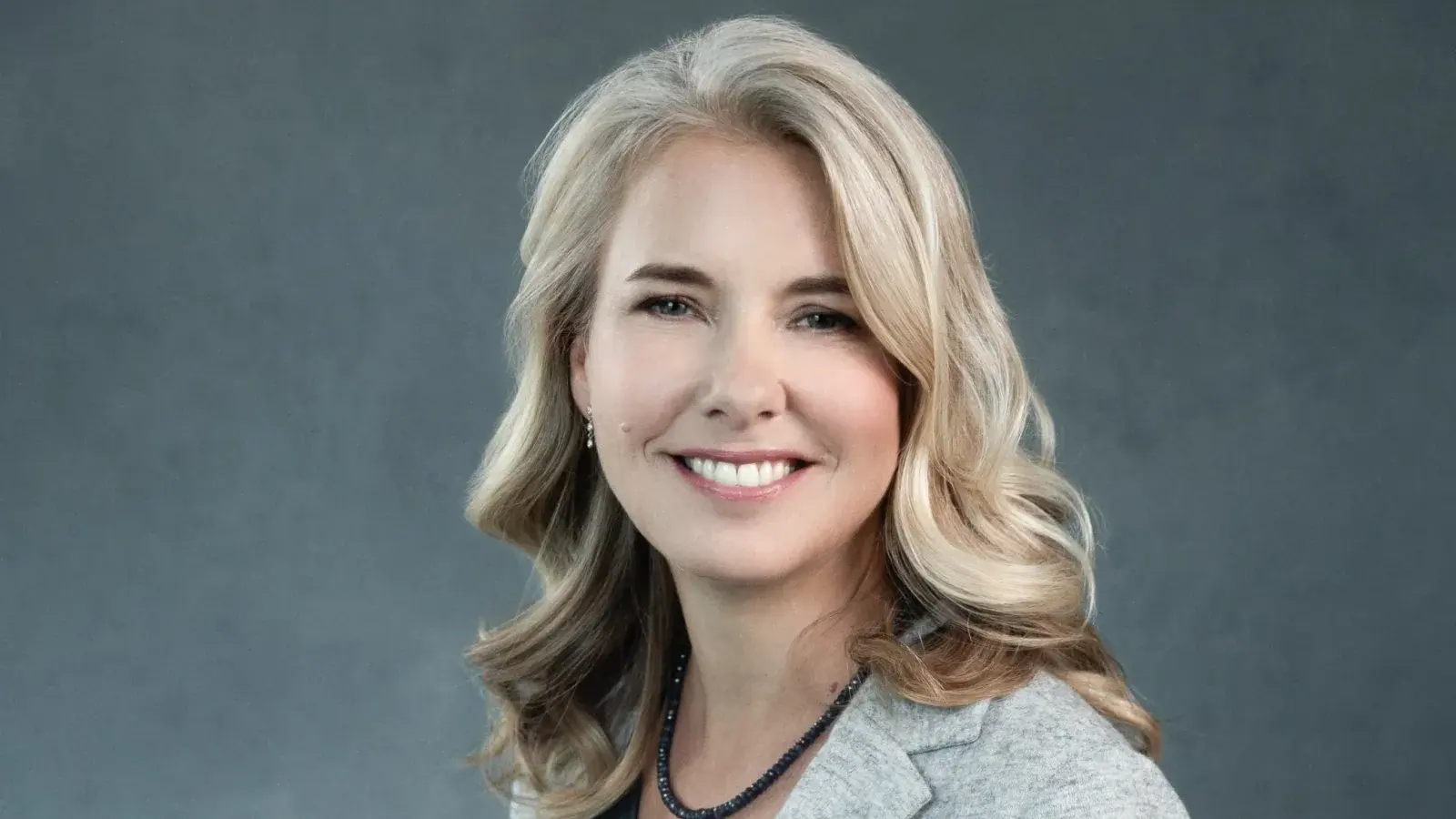
Arnel Gonce
Portrait Photographer, Charlottesville VA
Arnel Gonce is a portrait photographer in Charlottesville, Virginia. She photographs headshots, families, seniors, maternity, boudoir, and her signature Fabulous Over 50 sessions, guiding every client from first nerves to final gallery so the camera catches them at their most confident.
Reading is nice. Being in front of the camera is better.
Ready to Book Your Session?
Tell me what you have in mind and we will plan a session that feels easy, fun, and completely like you.