Headshots
Acting Headshots: What Casting Actually Needs to See
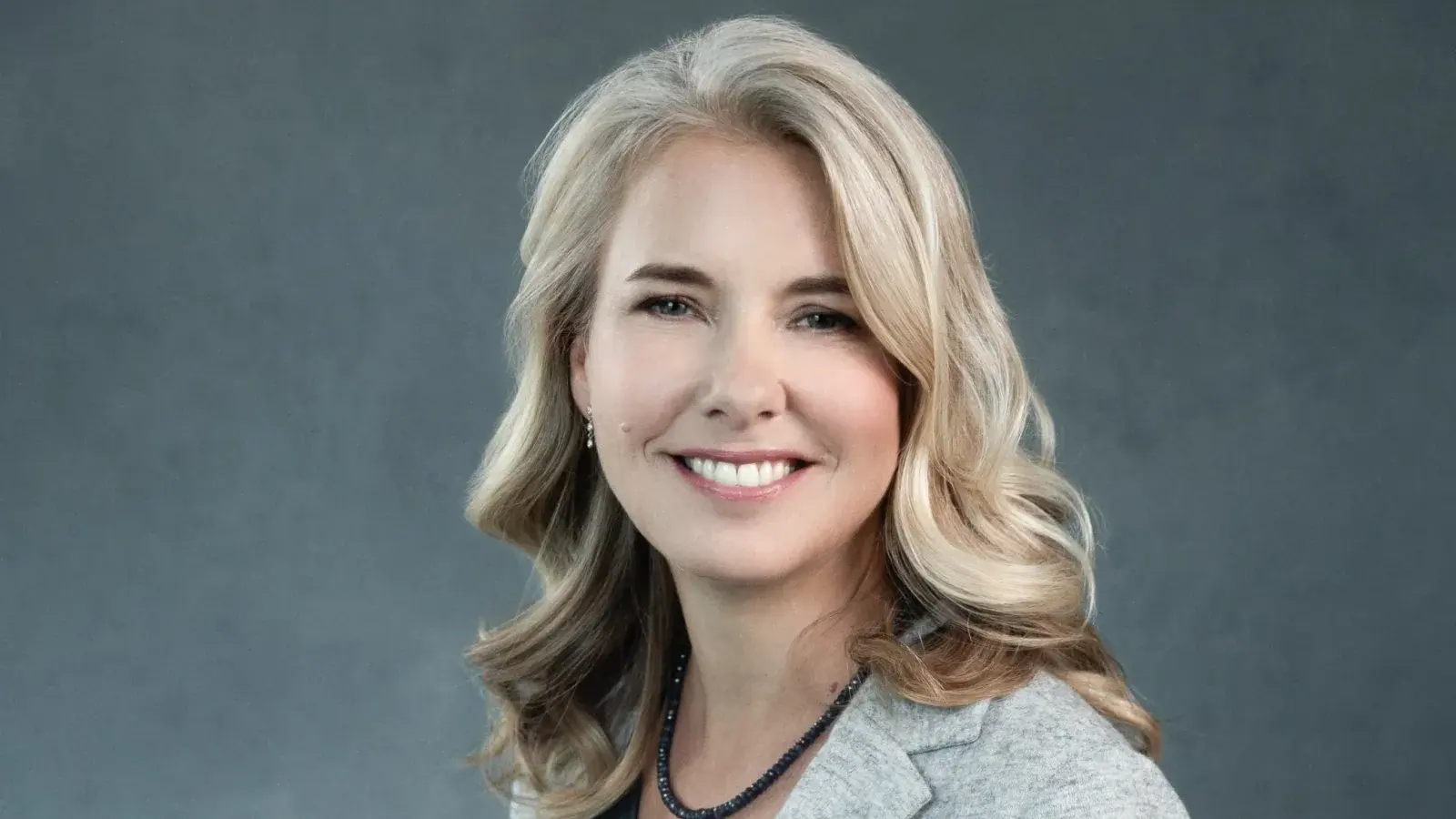
An acting headshot is a recent, color, chest-up photo that looks exactly like you on a good day. It is not a glamour shot and it is not a business portrait. Its job is to make someone in casting want to see you, then confirm they got who they expected when you walk in.
If you are booking your first set, or booking for a teenager, the fear is usually not the camera. It is paying for photos that sit in a folder and never get anyone called in. Most of that risk comes down to a few decisions you can get right before the session starts.
What headshots for actors actually have to do
A business headshot has to look trustworthy. An acting headshot has to look accurate.
Casting sees your photo long before they see you, usually as a small image in a long list of submissions. In that first glance they are reading your age range, your energy and the kind of parts you might play. If you get the appointment, they compare the photo with the person standing in front of them.
That second step is where a lot of headshots quietly fail. Smoothed skin, last year's hair color, or an expression you cannot reproduce on demand sets up a small letdown the second you walk in. The goal is not the best photo ever taken of you. It is the most accurate version of you, well lit.
Expression is what makes it accurate, and it is the part people dread most. I coach expression and posing through the whole session, so you are never left wondering what to do with your chin, and I have written up how I direct posing for headshots if you want the detail.
Commercial vs theatrical headshots
Most actors end up needing two looks, and both can come out of one session.
A commercial headshot is open and warm. It is the face casting might put in an ad for a bank or a family car, usually smiling with the eyes as much as the mouth.
A theatrical headshot is stiller. It is for film, television and plays, and it wants the sense that something is going on behind the eyes, with a deeper palette and an expression closer to the parts you actually get cast in.
Neither is a costume. Both are you, with the volume set differently. That can feel like being asked to perform on command with no scene partner, which is exactly why it helps to have someone behind the camera giving you something to react to.
Wardrobe does a lot of the switching, so keep to solid colors and change a layer or neckline between looks. The rest is in my wardrobe guide for acting headshots.
Theater and musical theater headshots
Theater is the one corner of the business where paper still matters. Actors' Equity's guidance to producers on running auditions recommends reminding performers to bring a picture/resume stapled together, so your headshot gets held in someone's hand and compared with you from a few feet away.
That is why clarity beats concept for theater. A clean, evenly lit photo where your face reads from across a table does more for you than a moody, heavily styled one.
What musical theater headshots add
The thing I watch for in a musical theater headshot is energy. A musical needs people who can hold a stage, and in a still photo that shows up as a face that is awake and open, even in the serious frames.
- Eyes that stay alive when the mouth is closed. The hardest thing to get, and the most useful.
- A bright, warm workhorse. In my view the open, commercial-style shot usually does most of the work for musicals, with a stiller one kept for straight plays.
- One slightly wider frame. A waist-up image shows how you carry yourself. Useful as a second photo, never as your main one.
If you dance as well and need line and movement in the frame, I cover that in dance headshots and audition photos.
Acting headshot format: crop, color, size and resume
Crop
Usually vertical, from about the chest up, with a little room above your head. That frame holds up as a phone thumbnail and as a print, and I add a few tighter and wider frames because every site and program crops a little differently.
Color or black and white
Color. Ohio Northern University's resume guidebook for theater students says it flatly: black and white headshots are no longer used, and all headshots need to be in color. Casting needs to see your real hair and eye color. Keep black and white as an extra, never your main shot.
Print size and the resume
The same guidebook says headshots should be 8x10, with your one-page resume cut to fit and stapled to the back, and it recommends a matte finish over semigloss. I would add your name on the front, small, along the bottom border, so a photo that gets separated from its resume can still find its way back to you.
What casting sites need from your headshot files
Every casting platform sets its own upload rules for online submissions. Casting Networks, for example, accepts JPG, PNG and GIF images up to 30 MB, with a minimum of 360 by 360 pixels. That minimum is a floor, not a target. A photo uploaded close to it looks soft the second anyone enlarges it.
So ask your photographer for full-resolution files of every image you select, plus smaller copies for email. Put your name in the file names, because "jane-smith-commercial.jpg" gets found when you need it and "IMG_4471.jpg" does not. Then keep the originals safe and upload from them every time.
Should you use an AI headshot for auditions?
AI headshot generators are everywhere in 2026. They are cheap and fast, and they skip the part where you stand in front of a stranger feeling self-conscious, which for a lot of people is the real barrier. I understand the pull, and for business profiles I have written about when an AI headshot is a reasonable choice.
For acting, my answer is different, and the reason is mechanical. An acting headshot is a promise that this exact face is the one walking in. What I see in generated headshots is skin smoother than real skin, jawlines a little sharper, and the small asymmetries that make a face recognizable quietly evened out. The result can look like a plausible actor. It often does not look quite like you.
In casting, that gap is the whole problem. If the photo promises a face you do not have, the first thing anyone learns about you in the room is that the photo was wrong.
And the room is still run by people. The International Casting Directors Association's 2026 statement on AI in casting says AI should function as a supportive tool only and never become a replacement for human judgment. It is about the software casting offices use, not headshots, but the principle carries straight over. A person will look at your photo, then look at you.
If you want photos that look like you because they are of you, inquire about a headshot session and we will plan your looks around what you are auditioning for.
How often should actors update their headshots?
When your face changes, not when the calendar does. A new cut or color, a beard grown or shaved, new glasses, braces on or off: any of those is a reason. So is aging into a new range, which happens slowly and then all at once.
Teenagers can need new photos every year. Adults can usually go longer. The test is the same at any age: if someone who met you last week would hesitate over the photo, it is time.
How to tell if your headshot is working
Nobody sends you a report card, but there are signals.
- You are called in for the parts the photo suggests. If it reads as a warm young parent and that is what you are seen for, it is doing its job.
- Nobody does a double take when you walk in. If you hear "you look different from your photo," even kindly, take it seriously.
- People who know your work pick the same frame. When a teacher, director or agent independently chooses the shot you also like, trust it.
- You actually use it. If you hesitate before attaching your own headshot to a submission, that hesitation is information.
If you keep getting seen for parts you are wrong for, the photo may be reading as a different type from the one you play. That is usually fixable with expression and wardrobe. You do not need a different face, you need a different frame.
Do you need professional headshots yet?
Not always, and I would rather tell you that than sell you a session you do not need.
Some training programs say outright that they do not expect one. Syracuse University's drama department, for example, asks musical theater applicants for a photograph of yourself alone, noting that it does not have to be a professional headshot. For a first school or community theater audition, a clear, recent, well-lit photo of you alone is a reasonable start. Read the audition notice and give them what it asks for.
A professional session starts to earn its cost when:
- You are submitting to agents or paid work.
- You have a casting site profile, where your face sits in a grid next to everyone else's.
- You are auditioning beyond your home theater, where nobody casting already knows you.
- Your current photo predates a real change in how you look.
That third one matters if you are based here. If most of your stage time so far has been at Live Arts or Four County Players, and you are starting to look at auditions in Richmond, DC or New York, you want one set of photos that holds up in all of those rooms. If you have been searching for actor headshots near Charlottesville, you do not need to travel to get that.
If you are a parent booking for a teenager, book close to when the photos will be used. Teens change fast, and a simple, current photo beats a polished one that no longer matches.
How to choose a photographer for acting headshots
Look at the faces, not the lighting tricks. A good portfolio reads like a wall of different real people, each clearly themselves, rather than one signature look laid over everyone.
Then ask a few questions before you book:
- How much retouching do you do? You want light. A blemish or a stray hair can go. Freckles, scars and the shape of your face stay.
- How many looks fit in the session? At minimum, a commercial look and a theatrical one.
- Who chooses the final images? Most people are hard on their own photos, so choosing with someone who knows what reads on camera is worth a lot.
- What files do I get, and can I use them anywhere? You need full-resolution files and permission to print, submit and upload them.
- Will the hair and makeup look like me? For acting, it has to match how you show up to an audition, not how you look for a night out.
Be honest about geography too. If you live in New York and audition there every week, a photographer who works with actors in that market every day will know its current taste closely. If you live in central Virginia, a well-directed session close to home does the job.
For comparison, here is how a headshot session runs with me. I have photographed over 1,000 sessions since 2015. A headshot session is 60 minutes, in my private studio at 600 Peter Jefferson Parkway in Charlottesville or on location, with up to 4 wardrobe changes, professional hair and makeup, and a wardrobe consultation beforehand to plan the looks. Afterward we sit down together the same day for an in-person reveal and choose your images, which matters more for actors than for almost anyone. Sessions are from $690, and I have broken down what headshots cost in Charlottesville and why if you want to compare options.
Frequently asked questions
What should an acting headshot look like? A recent, color, vertical photo from about the chest up, with your eyes sharp and your face evenly lit against a simple background. It should look like you on a good day, with your current hair and an expression you could reproduce in the room.
Should acting headshots be in color or black and white? Color. Casting needs to see your real hair and eye color, and Ohio Northern University's theater resume guidebook states that black and white headshots are no longer used.
What is the difference between commercial and theatrical headshots? A commercial headshot is open, warm and usually smiling, for ads. A theatrical headshot is stiller, with more going on behind the eyes, for film, television and stage, and one session can cover both.
Do I need a professional headshot for a community theater audition? Not always, so check the audition notice. A clear, recent photo of you alone is a reasonable start, and a professional set earns its cost once you are submitting to agents, paid work or casting sites.
Can I use an AI headshot for acting auditions? I would not. An acting headshot promises that the face in the photo is the one walking into the room, and generated images tend to smooth and adjust exactly the features casting uses to recognize you.
How often should actors get new headshots? Whenever your look changes, including a new cut or color, a beard, glasses, braces, or aging into a new range. Teenagers often need new photos every year, and adults can usually go longer.
Before your next audition
The photo does not need to make you look like someone else. It needs to look like you on a good day, well lit, with something going on behind the eyes.
If you have decided you do not photograph well, it usually just means no one has directed you with care and good light in a long time. That part is my job. Inquire about a headshot session and we will plan your looks around the parts you are going for.
Last updated: September 30, 2026
About the author: Arnel Gonce is a portrait photographer in Charlottesville, Virginia. She has photographed over 1,000 sessions since 2015, covering headshots and personal branding, families, seniors, maternity, boudoir and her signature Fabulous Over 50 sessions. She guides every client from first nerves to final gallery so the camera catches them at their most confident.
Arnel Gonce
Portrait Photographer, Charlottesville VA
Arnel Gonce is a portrait photographer in Charlottesville, Virginia. She photographs headshots, families, seniors, maternity, boudoir, and her signature Fabulous Over 50 sessions, guiding every client from first nerves to final gallery so the camera catches them at their most confident.
Reading is nice. Being in front of the camera is better.
Ready to Book Your Session?
Tell me what you have in mind and we will plan a session that feels easy, fun, and completely like you.