Headshots
LinkedIn Headshots: What Works, What Costs What, and Where AI Falls Down
Search for a LinkedIn headshot right now and roughly half the first page is software that will generate one from your selfies in fifteen minutes. That is a real option and it is worth taking seriously, so this post covers it honestly rather than pretending it does not exist.
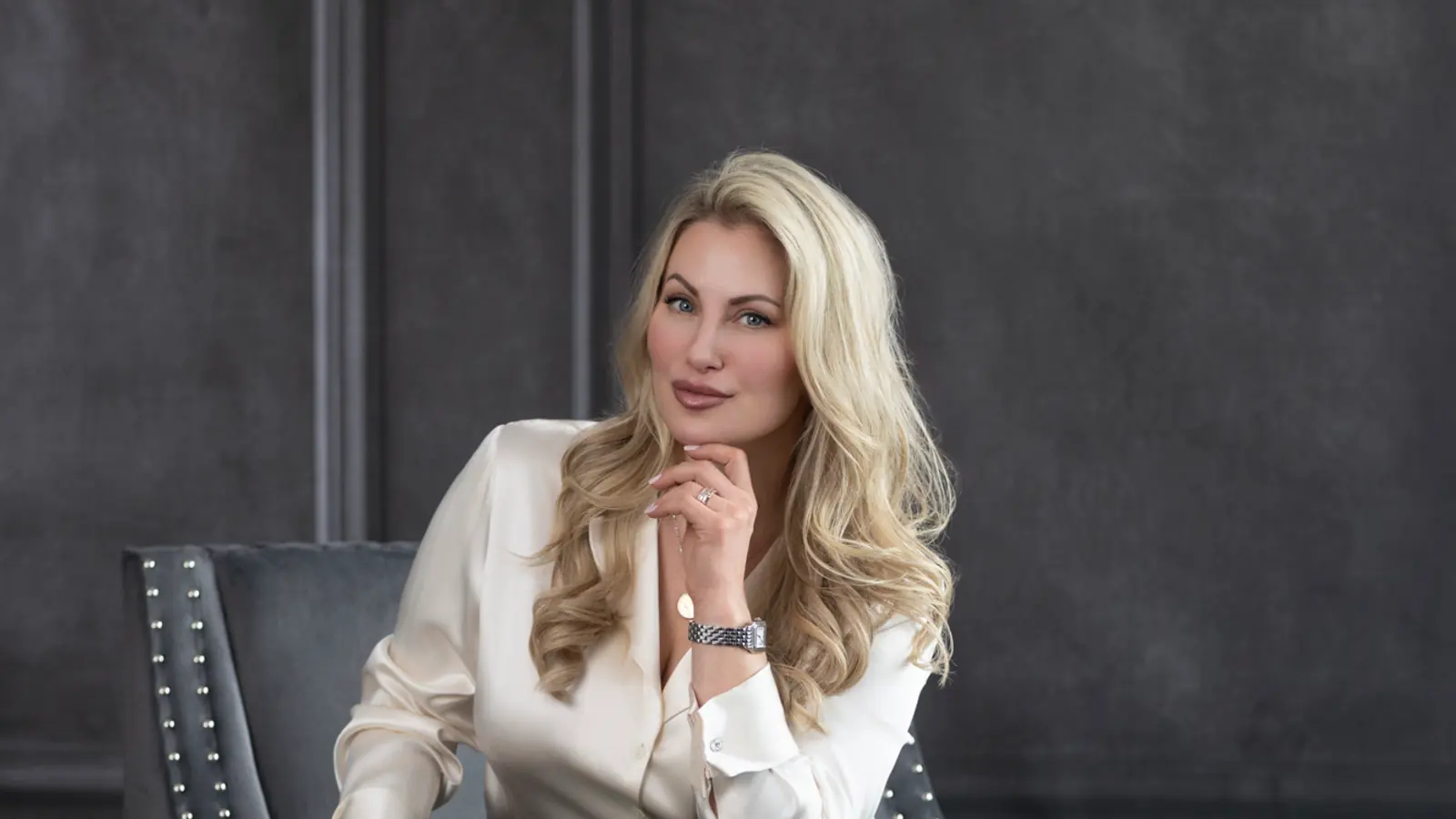
Here is the summary. A good LinkedIn photo is a recent, solo, well-lit picture where your face fills most of the frame and you look like the person who will walk into the meeting. Most people can get most of the way there with a phone and a window. The gap between that and a professional session is smaller than photographers like to admit, and it matters more in some jobs than others.
Now the detail.
What makes a good LinkedIn headshot
LinkedIn publishes its own guidance, and it is more specific than most of the advice written about it. The parts worth memorizing:
- Your face should fill about 60 percent of the frame. Crop from the top of your shoulders to just above your head. A photo of you on a mountain is a nice photo and a bad profile picture.
- Be the only person in it. Cropping yourself out of a group shot leaves a stray shoulder or hand in the frame, and people cannot tell which one you are in the thumbnail.
- It has to look like you. LinkedIn's first rule is that the photo should give people a clear idea of what you would look like if they met you tomorrow, and it names the usual culprits: a picture from ten years ago, or one from before you started wearing glasses.
- Smiling helps. LinkedIn cites a study of 800 profile pictures that found people rate you as more likable, competent and influential when you smile, and that smiles showing teeth were rated twice as likable as closed-mouth ones.
- Simple background. Not necessarily a studio backdrop. A painted wall or open shade outdoors is plenty.
Their research also found that just having a profile picture makes a profile 14 times more likely to be viewed. That number is why this is worth twenty minutes of your attention even if you never book a photographer.
One thing their list does not mention, and it is the thing I would add. The image is displayed as a circle. A composition that looks balanced as a rectangle can lose the top of your head or clip your shoulder once LinkedIn masks it. Shoot slightly wider than you think you need.
The honest case for AI headshot generators
They are cheap, usually somewhere between free and about thirty dollars. They are fast. You do not have to book anything, take an afternoon off, or stand in front of a stranger feeling awkward, which for a lot of people is the actual barrier rather than the money.
If you are a student, between jobs, or you just need something on the profile this week that is better than a cropped wedding photo, an AI headshot is a genuine improvement over nothing. I would rather someone use one than leave the gray silhouette up. LinkedIn's own 14x figure applies to any picture, not only an expensive one.
So no, I am not going to tell you they are worthless.
Where they fall down
The failure is specific, and it is the same rule LinkedIn puts first: the photo has to look like you.
Generated headshots are built from patterns across millions of faces, so they tend to average things out. Skin gets smoother than your skin. Jawlines get more defined. Asymmetries that make your face recognizable get quietly corrected. The result usually looks like a plausible professional, and often not quite like the specific person who shows up to the meeting.
That gap does not matter much if nobody ever meets you. It matters a lot if they do. LinkedIn makes the same point about outdated photos, saying it can be startling to meet someone you only knew from a picture, and that it might even make them question your credibility. An over-processed AI image causes the same startle for the same reason.
There are two other practical problems. Hands, jewelry, glasses frames and collar details are where generators still slip, and those errors are the kind you stop seeing after you have looked at your own face for an hour. Ask someone else before you upload. And the backgrounds tend to be recognizable, so a client who has seen the same soft gray gradient on four other profiles this month may draw a conclusion you did not intend.
My honest line on it: if your face is part of what you sell, and it is for realtors, lawyers, therapists, consultants, coaches, financial advisers and anyone whose first meeting decides the deal, then a photograph of your real face is doing work that a generated approximation cannot do. If your face is incidental to your job, use the generator and spend the money elsewhere.
What a LinkedIn headshot costs
LinkedIn's own guidance says a professional photographer typically costs between $200 and $400. That is a fair national average for a quick session with a handful of retouched files, and it is worth knowing before you talk to anyone.
Full sessions cost more than that, and it is reasonable to ask why. What separates a $250 headshot from a $700 one is usually not the camera. It is professional hair and makeup, a wardrobe consultation before the day, an hour rather than fifteen minutes, and whether you get to choose your images with the photographer in the room instead of receiving a gallery link three weeks later.
My headshot sessions start at $690 and include all of that. Whether that is the right spend depends entirely on what the photo is for. If it is going on a firm's website next to eleven colleagues, or into a speaker bio, or in front of clients who are deciding whether to trust you with something expensive, it usually is. If it is for a profile you update once every five years and nothing else, a $250 session is a sensible purchase and I will tell you so.
I have written out the full pricing picture for Charlottesville, including what the cheaper end of the market genuinely gets you, because nobody local publishes it and the national averages are not much help.
How to get a good free LinkedIn photo
Since the question gets asked constantly, here is the answer I would give a friend.
Stand about three feet inside a window, facing it, on an overcast day or in the first or last hour of daylight. Direct sun through a window is too hard. Have someone else hold the phone at your eye height, using the rear camera rather than the selfie camera, from about four feet away with a slight zoom. That distance stops the lens stretching your nose.
Wear a solid mid-to-deep color with a neckline that leaves your collarbone visible. Turn your shoulders about thirty degrees off-center and bring your chin slightly forward and down, which sounds wrong and looks right.
Then take sixty frames. Not five. Every good headshot you have ever seen came out of a lot of bad ones, and the difference between a professional and an amateur is mostly how many frames they are willing to throw away.
If you want more on the wardrobe half of that, I have written a full guide to what to wear.
When it is worth booking a photographer instead
Three situations where I would say yes without hesitating.
You have avoided it for years. If your current photo is from 2017 and you have re-taken it four times and hated all four, the problem is not your face and it is not your phone. It is that nobody has directed you. That is the entire job, and it is why people who tell me they photograph badly walk out with something they actually like.
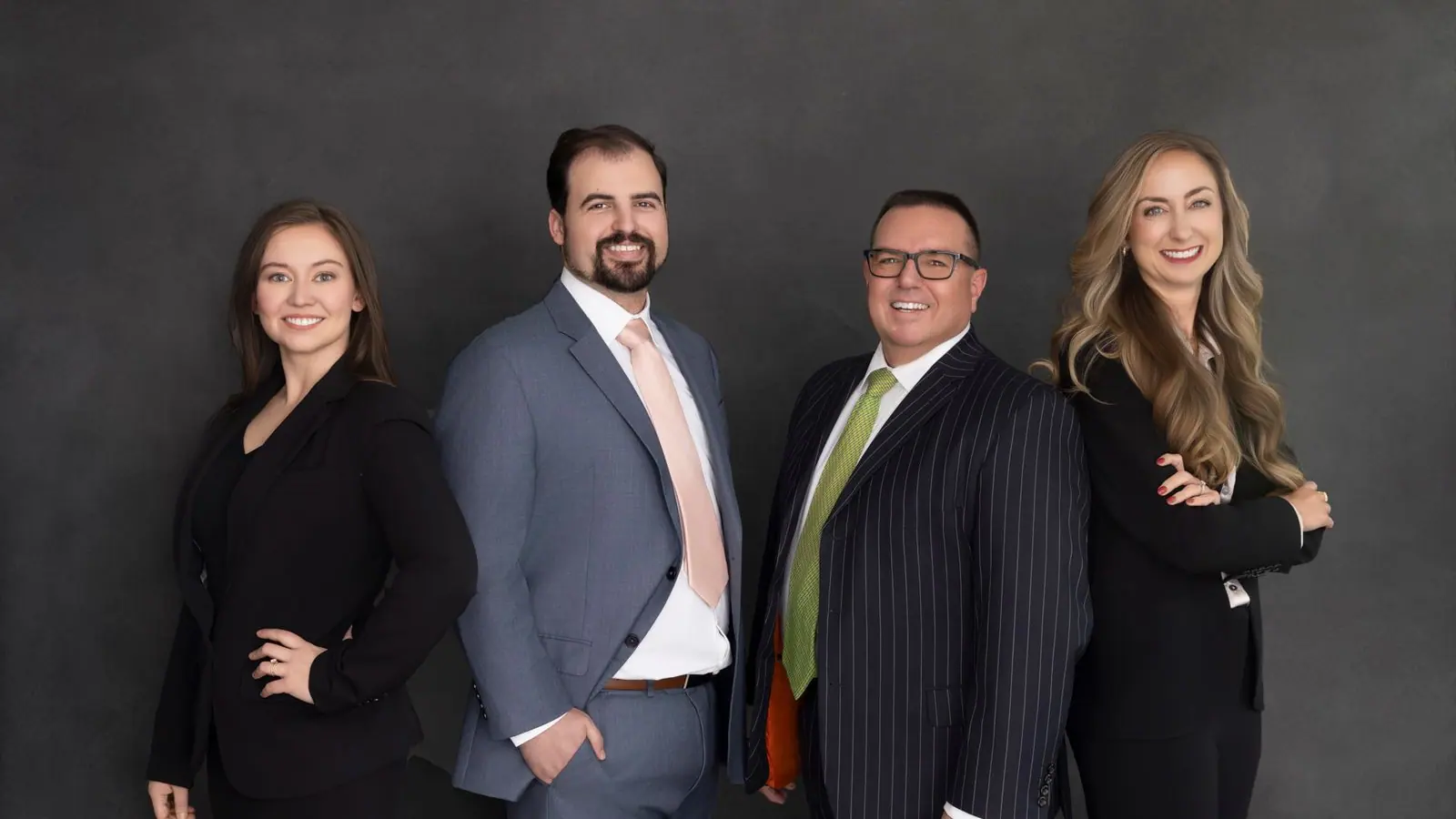
The photo sits alongside colleagues. Team pages fall apart when four people had studio sessions and three used phone snaps. Consistency reads as competence, fairly or not. The logistics of shooting a whole team are more manageable than most firms expect.
You need more than one image. A LinkedIn photo, a website banner, a conference bio, a press image and something for social all have different crops and different energy. Getting them in one hour is far cheaper than getting them one at a time, and it is the difference between a headshot and a full branding set, see headshot vs portrait vs personal branding.
If any of those describe you, inquire about a headshot session and we will start with what the photos are actually for.
Frequently asked questions
What is a good headshot for LinkedIn? A recent, solo photo where your face fills roughly 60 percent of the frame, cropped from the top of the shoulders to just above the head, on a simple background, with an expression you would actually use. It should look like you on a normal day, including your current hair and glasses.
How much does a LinkedIn headshot typically cost? LinkedIn's own guidance puts a professional photographer at $200 to $400 nationally. Full sessions that include hair and makeup, a wardrobe consultation and an in-person image selection run higher, starting at $690 in my studio. AI generators sit between free and about $30.
How do I get a free headshot for LinkedIn? Use window light on an overcast day, have someone else shoot it on the rear camera from about four feet away at your eye height, wear a solid mid-tone color, and take sixty frames rather than five. That gets most people to a genuinely usable photo.
Is a professional headshot worth it for LinkedIn? It depends on whether your face is part of what you sell. For client-facing roles where a first impression decides the work, yes. For roles where nobody is choosing you on the strength of a photograph, a good phone picture is enough and the money is better spent elsewhere.
Are AI LinkedIn headshots a bad idea? Not automatically. They are a real improvement on no photo at all. The risk is that generators smooth and average faces, so the image can stop looking like you, which is the one thing LinkedIn's own guidance says a profile photo must do. Check the hands, glasses and collar before you upload, and ask someone who knows your face whether it reads as you.
How often should I update my LinkedIn photo? Every three to five years, or straight away after a significant change in how you look. The point is recognition, not novelty.
One last thing
The photo is not the hard part. The hard part is that most people genuinely dislike being photographed, and they have decided that means they are not photogenic.
It usually just means no one has photographed you with care and good light in a long time.
You do not need to feel ready. That is the part I handle. Inquire about a headshot session and we will plan it from there.
Last updated: September 1, 2026
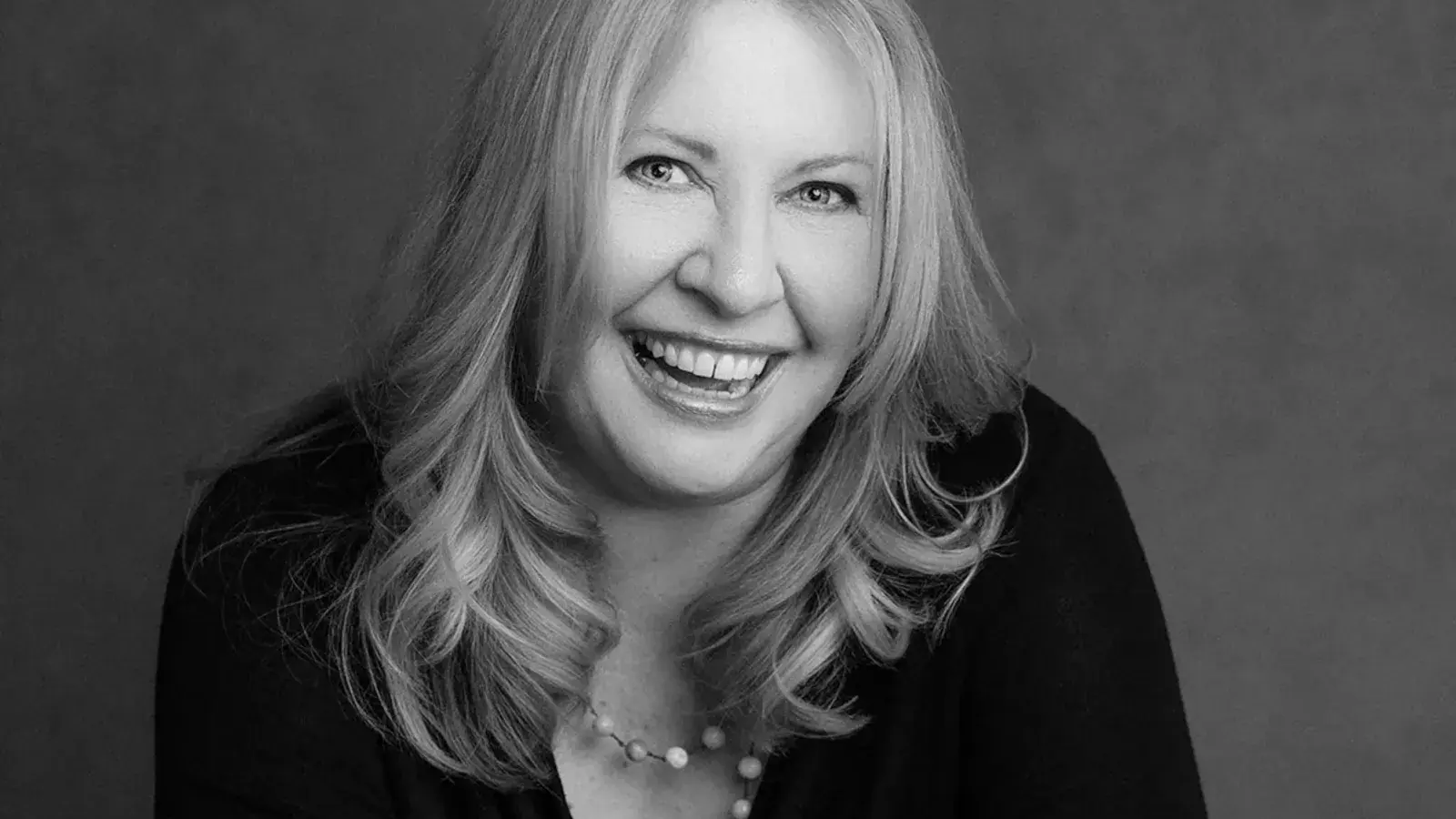
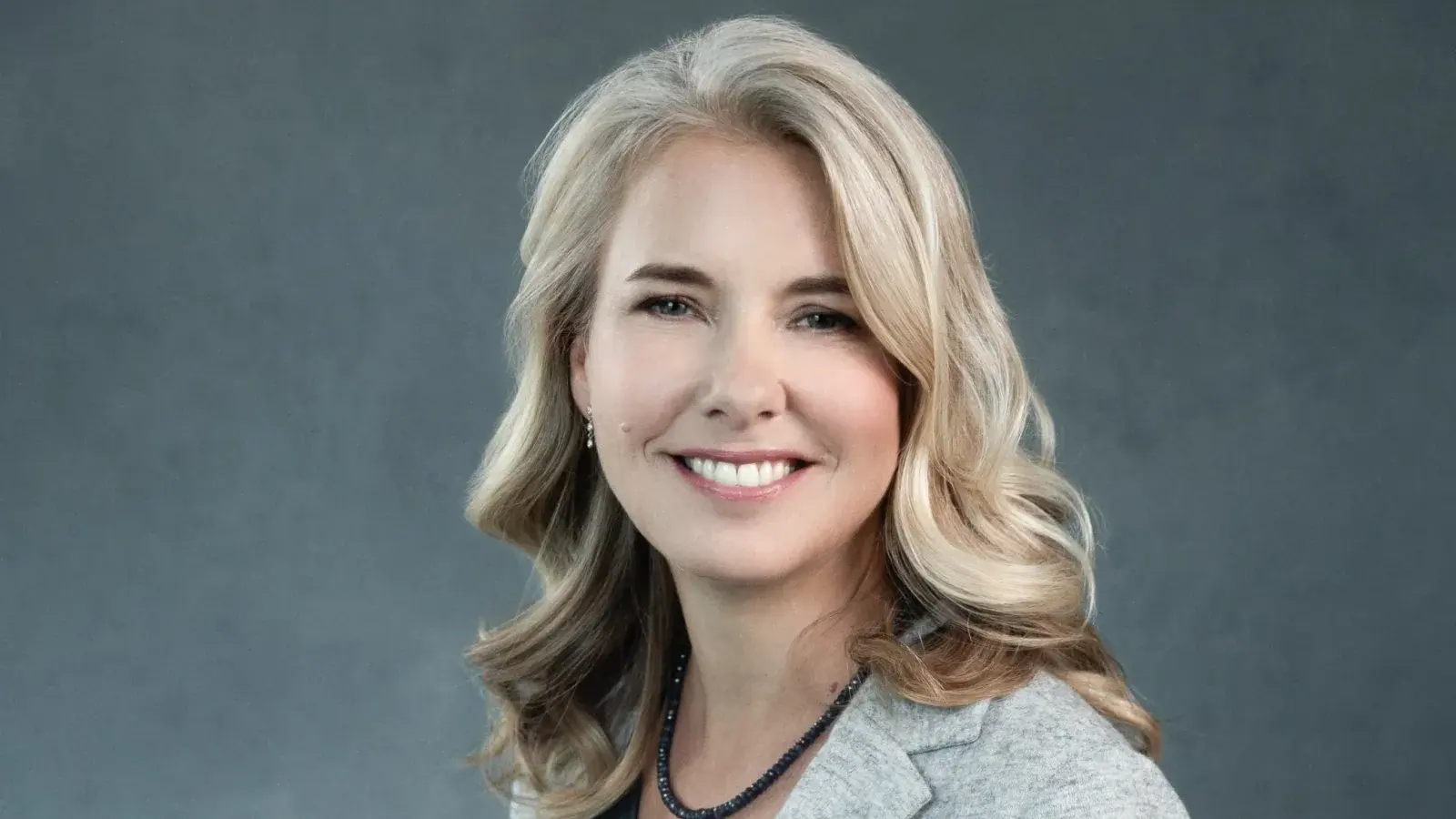
About the author: Arnel Gonce is a portrait photographer in Charlottesville, Virginia. She has photographed over 1,000 sessions since 2015, covering headshots and personal branding, families, seniors, maternity, boudoir and her signature Fabulous Over 50 sessions. She guides every client from first nerves to final gallery so the camera catches them at their most confident.
Arnel Gonce
Portrait Photographer, Charlottesville VA
Arnel Gonce is a portrait photographer in Charlottesville, Virginia. She photographs headshots, families, seniors, maternity, boudoir, and her signature Fabulous Over 50 sessions, guiding every client from first nerves to final gallery so the camera catches them at their most confident.
Reading is nice. Being in front of the camera is better.
Ready to Book Your Session?
Tell me what you have in mind and we will plan a session that feels easy, fun, and completely like you.